


شاهنامه

.jpg) | |
| نویسنده(ها) | دقیقی (حدود هزار بیت از پادشاهی گشتاسپ) فردوسی |
|---|---|
| زبان | فارسی |
| موضوع(ها) | تاریخ ایران باستان و حماسه ایران |
| گونه(های) ادبی | خراسانی |
| پس از | شاهنامه ابومنصوری |
| پیش از | گرشاسپنامه اسدی طوسی |
| ترجمه | شاهنامه در ویکینبشته |
شاهنامه، حماسهای منظوم، بر حسب دستنوشتههای موجود دربرگیرنده نزدیک به ۵۰٬۰۰۰ تا ۶۱٬۰۰۰ بیت و یکی از بزرگترین و برجستهترین سرودههای حماسی جهان، اثر فردوسی است که سرایش آن دستآورد دستکم، سی سال کار پیوستهٔ این سخنسرای ایرانی است. موضوع این اثر، اسطورهها و تاریخ ایران از آغاز تا حملهٔ اعراب به ایران در سدهٔ هفتم میلادی است که در چهار دودمان پادشاهیِ پیشدادیان، کیانیان، اشکانیان و ساسانیان گنجانده میشود. شاهنامه از سه بخش اسطورهای، پهلوانی و تاریخی، تشکیل و بر وزن «فَعولُن فعولن فعولن فَعَلْ»، در بحرِ مُتَقارِبِ مثمَّنِ محذوف، نگاشته شده است.
یکی از بنمایههای مهمی که فردوسی برای سرودن شاهنامه از آن استفاده کرد، شاهنامهٔ ابومنصوری بود. فردوسی هنگامی شاهنامه را سرود که زبان پارسی دچار آشفتگی بود، و او از ماندگار شدن این آشفتگی و افزونی آن جلوگیری کرد. فردوسی در سرودن شاهنامه بیشتر از پارسی سره بهره برده و شمار واژههای عربی در شاهنامه تنها حدود ۷۲۶ تا است.
شاهنامه نفوذ بسیاری در جهتگیری فرهنگ فارسی و نیز بازتابهای شکوهمندی در ادبیات جهان داشته است و شاعرانی مانند گوته و ویکتور هوگو از آن به نیکی یاد کردهاند. شاهنامه بزرگترین کتاب به زبان پارسی است که در همه جای جهان مورد توجه قرار گرفته و به بسیاری از زبانهای زندهٔ جهان ترجمه شده است. نخستین بار در سال ۶۰۱ خورشیدی، بُنداری اصفهانی شاهنامه را به زبان عربی برگرداند و پس از آن برگردانهای دیگری از این اثر، ازجمله برگردانِ ژول مُل به زبان فرانسوی، انجام گرفت.
۲ اسفند ۱۳۸۸ پایان هزارهٔ سرایش شاهنامه بود. جشن جهانی هزارهٔ شاهنامه، با بودن نمایندهٔ ۱۹۲ کشور وابسته به یونسکو در پاریس، فرانسه در بنای این نهاد جهانی با همکاری بنیاد فردوسی برگزار شد. همچنین، آیین بزرگداشت هزارهٔ شاهنامه در کشورهای گوناگون به بهانهٔ ثبت آن در یونسکو ازجمله برلین، آلمان برگزار شد.
کهنترین شاهنامه دستنویس موجود، نسخهٔ فلورانس مربوط به ۶۱۴ قمری است و پس نسخهٔ فلورانس، نسخهٔ لندن که مربوط به ۶۷۵ قمری است و پس از نسخهٔ لندن، نسخهٔ استانبول مربوط به ۷۳۱ هجری است.
نام
فردوسی سرودهٔ خود و منبع آن را چندین بار «نامه»، «نامهٔ باستان»، «نامهٔ خسروان»، «نامهٔ شهریار» و از این دست نامیده، اما در هیچجای، آن را «شاهنامه» یا در تنگنای وزن، «شهنامه» نام نداده است. تنها در یک بیت از هجونامه «شهنامه» آمده است. اما همهٔ آثار منظوم و منثور در آن روزگار را — که دربردارندهٔ پادشاهی ایران از کیومرث تا یزدگرد بود — بیشتر «شاهنامه» خواندهاند و نام منبع فردوسی هم «شاهنامهٔ ابومنصوری» بود. گذشته از اینها، منابع پس از فردوسی، اثر او را «شاهنامه» نامیدهاند و در همهٔ دستنویسهای آن و برگردان عربی بنداری نیز، نام آن «شاهنامه» آمده است. با نگرش به این نشانهها و اینکه «شاهنامه» برگردان پارسی «خداینامگ» در پهلوی بوده، گمانی برجای نمیماند که نام این کتاب «شاهنامه» بوده است.[۱]
منبع و تاریخ سرایش
.jpg)
فردوسی نخستین کسی نبود که به آفرینش رزمنامهٔ ملی ایران دستزد. پیش از او مسعودی مروزی بخشی از شاهنامه را به نظم سرودهبود.[۲] او شاهنامهٔ خود را در بحر هزج سرودهبود که این بحر بر پایهٔ چارچوب وزن بحر عربی رجز ساخته شدهبود. از شاهنامهٔ مسعودی تنها سه بیت بهجا مانده است.[۳] دقیقی نیز پیش از فردوسی بهنظمدرآوردن داستانهای ملی ایران را آغاز کرد، اما کار او ناتمام ماند تا اینکه فردوسی آن را به پایان رساند.[۴]
بهگمان فراوان، فردوسی در سرودن شاهنامه تنها از یک منبع تدوینشده بهره برده و آن، شاهنامهٔ ابومنصوری بوده است. آغاز سرایش شاهنامه پیرامون ۳۶۷ ه.ق بوده است. پیش از آن، داستان «بیژن و منیژه» را سرودهبود که با بهشمار آوردن این سالها، او ۳۵ سال از عمر خویش را بر سر سرایش شاهنامه گذاشته است.[۵] او سرانجام ویرایش نخست شاهنامه را در سال ۳۸۴ ه. ق، سه سال پیش از برتختنشستن محمود، بهپایان بُرد.[۶][۷] و ویرایش دوم کتاب را نیز در ۱۹ اسفند (سر آمد کنون قصه یزدگرد / به ماه سپندارمذ روز اِرد) سال ۴۰۰ ه.ق برابر با ۸ مارس ۱۰۱۰ م[یادداشت ۱] در هفتاد و یک سالگی بهانجام رساند:[۸][۹][۱۰]
| چو سال اندر آمد به هفتاد و یک | همی زیر بیت اندر آرم فلک! | |
| تن شاهمحمودآباد باد! | سرش سبز و جان و دلش شاد باد! | |
| چُنانش ستایم که تا در جهان | سخن باشد از آشکار و نهان، | |
| مرا از بزرگان ستایش بود! | ستایش وُرا در فزایش بود! | |
| که جاوید باد آن خردمندمرد | همیشه به کام دلش کارکرد! | |
| همش رای و هم دانش و هم نسب | چراغ عجم، آفتاب عرب! | |
| سرآمد کنون قصّهٔ یزدگرد | به ماه سپندارمذ روز اِرد، | |
| ز هجرت شده پنج هشتاد بار | به نام جهانداور کردگار! |
شمار بیتهای شاهنامه
امروز نسخههای گوناگون شاهنامه؛ از دستنویسهای بسیار نفیس و آراستهٔ آن گرفته تا رونویسهای سادهتر، با تاریخچههای گاهی بسیار روشنی که دارند، برداشتی درخور، گسترده و فراگیرندهای از چبود ساختار این کتاب به خوانندگان و پژوهشگران داده که نادانستههای آن در سنجش با آنچه که از شاهنامه دانسته میشود بسیار ناچیز است. از سوی دیگر، بزرگی و فر و شکوه جستار «فردوسی و شاهنامه» هیچ پرسشی را دربارهٔ این دو بی پاسخ نمیپذیرد.
در غیاب نسخه یا نسخههای نخستین شاهنامه؛ برای برخی از اینگونه نادانستهها و پرسشها، شاید هرگز نتوان به پاسخ یگانهای رسید. شمار بیتهای آن شاهنامه که فردوسی با دست خود نوشته، شمار واژگان عربی که او در آن نسخه به کار برده، یا تاریخ آن روز که آن سخنسرا واپسین نسخهٔ شاهکار خود را نگاشته از آن گونهاند. هیج کدام بنیادی نیستند اما هرکدام جستاری برای شناخت بیشتر و بهتر شاهنامهاند و هم یادآور دشواریهای آن روز. در یکی از روایتهای مردمی شمار بیتهای شاهنامه «چهلهزار» یاد شده است.[۱۱] در حالی که به گواهی بیتی از متن شاهنامه[یادداشت ۲][۱۲] و همینطور بنمایههای دیگر مانند بنداری،[۱۳] ریاحی،[۱۴] و علوی توسی[۱۵] از دیرباز زبانزد بوده است که شاهنامه ۶۰٬۰۰۰ بیت دارد. با وجود این سخن، یکی از کهنترین دستنویسهای کامل شاهنامه، شاهنامهٔ لندن (۶۷۵ هجری) ۴۹٬۶۱۸ بیت دارد.[۱۶] و شاهنامهٔ ویرایشی خالقی مطلق نیز دارای ۴۹٬۵۳۰ بیت است.[۱۷] همچنین حمدالله مستوفی در نسخههایی که در سدهٔ هشتم دیده، بیش از پنجاههزار بیت نیافته است:[۱۸]
| در آن نسخهها اندر این روزگار | کمابیش پنجاه دیدم شمار |
وی با این که مدعی است بر اساس گفتهٔ فردوسی، شاهنامهٔ فراهمآوردهٔ خویش را به شصتهزار بیت رسانده اما در اصل بیش از حدود ۴۸٬۹۴۰ بیت نیاورده است.[۱۹]
با این وجود شاهنامه دارای حجمی کمابیش دو برابر چکامههای ایلیاد و ادیسه اثر هومر است.[۲۰] کهنترین شاهنامه دستنویس موجود فلورانس ۶۱۴ هجری است.
پیشینهٔ داستانهای شاهنامه

کاوش دربارهٔ بنمایهٔ شاهنامه اندکی دشوار است، زیرا از سویی گاه میان روایتهای فردوسی و تاریخنویسان در برخی جزئیات ناهماهنگیهایی دیده میشود و از سویی دیگر، بنمایگانی که فردوسی از آنها بهره برده است، از میان رفتهاند و میان شاهنامه و بنمایگان آن نمیتوان سنجش درستی کرد. یکی از بنمایگان مهم شاهنامه، شاهنامهٔ ابومنصوری است که فردوسی چندی در جستجوی آن رنج برد و از روی آن، شاهنامه را سرود. فردوسی به جز شاهنامهٔ ابومنصوری از برخی داستانهای جداگانهٔ دیگر که در آن روزگار نامآوری داشت، بهره جسته است. از این داستانها میتوان به رزم بیژن و گرازان، بیژن و منیژه، رزم رستم با اکوان دیو، داستان رستم و سهراب و برخی از رزمهای رستم اشاره کرد.[۲۱]
فردوسی بازگویندهٔ بخشی از سخنان خود را شخص پیر و سالخوردهای بیان میکند که به یقین یکی از کسانی بود که ابومنصور معمری برای نوشتن شاهنامهٔ ابومنصوری گماشتهبود که آن شخص پیر ماخ هروی بود که فردوسی او را با نام پیر خراسان شناسانده است. همچنین ابومنصور ثعالبی که دربارهٔ انوشیروان از شاهنامهٔ ابومنصوری بهره میبرد، عباراتی در کتاب غرر اخبار ملوک الفارس آورده است که مانند آنها در شاهنامه نیز هست. برای نمونه، عبارت «یا بنی انی قد اختر قد للملک علی سائرا بنائی لما تفرست فیک من الخیر» از غرر اخبار ملوک الفارس به بیت زیر از شاهنامه در روزگار انوشیروان نزدیک است:[۲۲]
| خردمند شش بود ما را پسر | دلافروز و بخشنده و دادگر | |
| ترا برگزیدم که مهتر بدی | خردمند و زیبای افسر بدی[۲۳] |
درونمایهٔ داستانهای شاهنامه در روزگار هخامنشیان نیز در انجمنهای ویژه بازگو میشده است. مهری از زمان ساسانیان هست که کیومرث را نشان میدهد که پاها و بدن پشمالو و چهرهای میان انسان و حیوان دارد و حیوانات در کنار او هستند.[۲۴]
درونمایه و بخشبندی
شاهنامه رزمنامهای گسترده و فراگیر و یکی از بزرگترین شاهکارهای ادبی جهان است که در برگیرندهٔ اسطورهها، رخدادها و تاریخ ایران از آغاز تا حمله اعراب به ایران در سدهٔ هفتم است. در شاهنامه از پنجاه پادشاه (از جمله سه بانو) که بر این سرزمین فرمانروایی کردهاند یاد شده و درونمایهٔ آن تاریخی است. نخستین پادشاه شاهنامه، کیومرث است:
| نخستین خدیوی که کشور گشود | سر پادشاهان کیومرث بود |
بازپسین پادشاه شاهنامه یزدگرد سوم است که در جنگ از اعراب شکست خورد. این پنجاه پادشاه و شماری از چهرههای دیگر رخدادهای شگرف و قهرمانانه و گاهی دغلبازانه آفریدند.[۲۵]
شاهنامه داستان قهرمانان ایران باستان است و خواننده را به سدهها و هزارههای ایران باستان بازمیگرداند. فردوسی در اینباره چنین میسراید:
| بناهای آباد گردد خراب | ز باران و از گردش آفتاب | |
| بنا کردم از نظم کاخی بلند | که از باد و باران نیابد گزند | |
| نمیرم از این پس که من زندهام | که تخم سخن را پراکندهام |
| بخشها | پادشاهیها | شمار پادشاهیها | شمار بیتها | در ویرایش خالقی مطلق |
|---|---|---|---|---|
| پیشدادیان | گیومرت تا زَوْ | ۹ پادشاهی | نزدیک ۴۵۰۰ بیت | ۴۴۳۴ بیت |
| کیانیان | کیقباد تا اسکندر | ۱۰ پادشاهی | نزدیک ۲۶۵۰۰ بیت | ۲۶۳۲۶ بیت |
| اشکانیان | اشک تا اردوان | ۸ پادشاهی (جز اردوان نام دیگران فهرستوار آمده است) | نزدیک ۷۸۰ بیت | ۷۸۱ بیت |
| ساسانیان | اردشیر بابکان تا یزدگرد شهریار | ۲۹ پادشاهی | نزدیک ۱۸۰۰۰ بیت | ۱۷۹۹۴ بیت |
| شمار کل | همهٔ پادشاهیها | ۵۶ پادشاهی | اندکی بیش از ۴۹۵۰۰ بیت | ۴۹۵۳۹ بیت |
ساختار
شاهنامه را بیشتر به سه بخش اساطیری (از روزگار کیومرث تا پادشاهی فریدون)، پهلوانی (از خیزش کاوهٔ آهنگر تا کشته شدن رستم و فرمانروایی بهمن پسر اسفندیار) و تاریخی (از پادشاهی بهمن و پیدایش اسکندر تا گشودن ایران به دست اعراب) بخشبندی میکنند.[۲۶] اما این بخشبندی همیشه و کامل درست نیست و بیشتر، برپایهٔ سنگینی یکی از سه درونمایه دربرابر دو بخش دیگر است. ازاینرو، هیچیک از بخشهای سهگانه از موضوع دو بخش دیگر تهی نیست. از دیگرسو در هر بخش، نشانههایی از قالبهای ادبی مانند اندرز، رمانس، داستان تاریخی، آیین خسروان و ادبیات مردمی و شگفتیهایی چون جادو، افسون و عجائب و غرائب دیده میشود. در نگاهی کلی، درونمایهٔ اساطیر و شگفتیها بیشتر در بخش پیشدادی؛ شگفتیها، داستانهای پهلوانی و رمانس بیشتر در بخش کیانی؛ تاریخ، آیین خسروان و اندرز و ادبیات عامیانه بیشتر در بخش ساسانی؛ داستان تاریخی یا کارنامه بیشتر در بخش اشکانی و ساسانی بهچشم میخورد.[۲۷]
شاهنامه در ساختار دارای کاستیهایی نیز هست. از آن دست میتوان اینها را نام برد:
- شمار داستانهای میانپیوست که همگی دربارهٔ رستم هستند.
- دوگانهگویی در برخی داستانها
- دوبارهگویی برخی داستانها
- پادشاهی اسکندر[۲۸]
پیکربندی شاهنامه
در مجموع تاکنون برای بخشبندی شاهنامه سه شیوه بکار گرفته شده است. که البته دو شیوه نخست از قدمت و سابقه بیشتری برخودارند.
الف: شیوه توصیفی:
شیوه توصیفی میکوشد تا پیوندی بین اسطوره و تاریخ ایجاد کند به جای ممتاز کردن این دو مقوله از هم و سهم هریک از این دو مقوله را نیز محفوظ بدارد. این تقسیمبندی شاهنامه را به سه قسمت تقسیم میکند:
- قسمت اسطوره ای: از آغاز کتاب تا پادشاهی فریدون
- قسمت پهلوانی: از قیام کاوه آهنگر تا مرگ رستم
- قسمت تاریخی: از بهمن اسفندیار تا یزدگرد سوم
ب: شیوه تاریخی:
این شیوه بر خلاف شیوه توصیفی یک ارتباط طولی تاریخی در سراسر شاهنامه قائل است و معتقد است که شاهنامه به نحوی بیان کننده تاریخ و روند تاریخی مردمان این سرزمین میباشد. در این شیوه دورههای اول تاریخی مانند پشدادیان و کیانیان با توجه به قدمتی که دارند با افسانه و اسطوره آمیخته شدهاند و هرچه به دورههای بعدی وارد میشویم بیشتر شاهد امکان تطبیق داستانهای شاهنامه با وقایع تاریخی داریم.
- پیشدادیان از کیومرث تا زوطهماسب
- کیانیان از کیقباد تا اسکندر مقدونی
- اشکانیان از اشک اول تا اردوان بزرگ
- ساسانیان از اردشیر بابکان تا یزدگرد سوم
ج: شیوه توصیفی – تاریخی:
در این شیوه ضمن حفظ ساختار توصیفی سعی دارد شاهنامه را بر اساس جریان به هم پیوسته شجرنامههای سلسلههای شاهی ایران تقسیمبندی نماید تا الگوی روایی از حماسه ملی ایران ارائه نماید. بر این اساس شاهنامه به سه دوره تقسیم میشود:
- بخش تاریخ اساطیری: از کیومرث تا کیخسرو
- بخش تاریخ دین آوری: شامل لهراسپ، گشتاسپ و بهمن اسفندیار
- بخش تاریخ روایی: از بهمن تا انتها (حمله اعراب به ایران)
بخش اسطورهای

پیشدادیان نخستین دودمان فرمانروا در شاهنامه است. واژهٔ «پیشداد» بهمعنی «نخستین کسی که قانون آورده است» است. کیومرث که این دودمان را بنیاد گذاشت، در شاهنامه نخستین فرمانروا و در نوشتههای اوستایی نخستین کسی بوده است که از فرمان اهورامزدا پیروی کرده و اهورامزدا همهٔ تباران آریایی را از او آفریده است. ولی برخی از تاریخنگاران که از نوشتههای پهلوی بهره بردهاند، کیومرث را نخستین انسان و هوشنگ را نخستین فرمانروا میدانند.[۲۹] کیومرث پسری بهنام سیامک داشت که در جنگ با دیوان کشته شد. سپس هوشنگ (پسر سیامک) کین خون پدرش را از دیوان ستاند و پس از مرگ کیومرث پادشاه هفت کشور شد. او چهل سال فرمانروایی کرد و آهن و آتش را کشف کرد و جشن سده را بنیاد گذاشت و ساختن پوشاک از پوست جانوران را به مردم آموخت.[۳۰] پس از او، تهمورث بر تخت نشست و در برانداختن دیوان رنج بسیار برد و برخی از چهارپایان را رام کرد و آیینهای نیکو آورد.[۳۱]
پس از تهمورث، فرزندش جمشید پادشاه شد و به ساختن ابزار رزم و خود و زره و آب کردن آهن پرداخت. او گوهرها را از سنگها بیرون آورد و بویهای خوش پدیدآورد و به مردم کشتیرانی و رشتن و بافتن و دوختن جامه را آموخت. مردم در روزگار او به چهار گروه آتشبانها، جنگجویان، کشاورزان و دستورزان دستهبندی میشدند. او تختی ساخت و در روز هرمزد از ماه فروردین بر آن تخت نشست و مردم آن روز را نوروز خواندند. او با این نیکیها و پرستش یزدان و درستی سیصد سال فرمانروایی کرد. ولی پس از چندی خودبین شد و خود را خدای جهان دانست و فرّه ایزدی از او دور شد. سرانجام، سپاهی از ایران به سوی تازیان رفت و ضحاک را به پادشاهی ایران و هفت کشور برگزید و او به ایران آمد و از ایرانیان و اعراب سپاهی گردآورد و بر جمشید تاخت و جمشید گریخت و صد سال پنهان شد. ولی او روزی در کنار دریای چین پدیدار شد و ضحاک او (جمشید) را به دو نیم کرد و دخترانش ارنواز و شهرناز را به زنی گرفت.[۳۲]
ضحاک هزار سال فرمانروایی کرد. از آنجا که ضحاک با وسوسههای اهرمن پیشتر به جای پدر نشسته بود و پدر خویش مرداس را کشته بود، بار دیگر ابلیس با چهرهٔ جوانی راستگو و خردمند به پیشگاه ضحاک آمد و گفت: «من مردی هنرمندم و هنرم ساختن خورشها و خوراکهای شاهانه است.» لذا ضحاک وی را به سفره آرایی و طبخ خوراک گمارد. اهریمن سفره بسیار رنگینی با خورشهای گوناگون و گوارا از پرندگان و چهارپایان، آماده میکرد و ضحاک خشنود میشد. اهریمن پلید هر روز به شکوه سفرههایش میافزود تا اینکه روزی ضحاک شکم پرور از اهریمن بسیار شادمان شد. پس به او گفت: «هرچه آرزو داری از من بخواه.» اهریمن که جویای این زمان بود گفت: «شاها، دل من از مهر تو لبریز است و جز شادی تو چیزی نمیخواهم. تنها یک آرزو دارم و آن اینکه اجازهدهی دو کتف تو را از راه بندگی ببوسم.» ضحاک اجازه داد. اهریمن لب بر دو کتف شاه نهاد و ناگاه از روی زمین ناپدید شد. از جای بوسهٔ لبان اهریمن، بر دو کتف ضحاک دو مار سیاه رویید. مارها را از بن بریدند، ولی به جای آنها بیدرنگ دو مار دیگر رویید. ضحاک پریشان شد و در پی چاره افتاد. پزشکان هرچه کوشیدند سودمند نیفتاد.
زمانیکه همه پزشکان درماندند، اهریمن خود را به شکل پزشکی ماهر درآورد و نزد ضحاک رفت و گفت: «بریدن ماران سودی ندارد. داروی این درد مغز سر انسان است. برای آنکه ماران آرام باشند و گزندی نرسانند چاره آن است که هر روز دو تن را بکُشند و از مغز سر آنها برای ماران خورش بسازند. شاید از این راه سرانجام ماران بمیرند.»
اهریمن که با آدمیان و آسودگی آنان دشمن بود، میخواست از این راه همه مردم را به کشتن دهد و تخمهٔ آدمیان را براندازد. در روزگار ضحاک آیین فرزانگان پنهان و کام دیوان آشکار شد و هر روز مغز دو مرد جوان را برای خورش به مارهای روی شانههای ضحاک میدادند، اما دو تن به نامهای ارمایل و گرمایل هر روز جان یکی از جوانها را رهایی میبخشیدند. وقتی که چهل سال از پادشاهی ضحاک مانده بود، در شبی سه نفر را که فر کیانی داشتند، در خواب دید. خوابگزاران او را از پیدایش فریدون آگاه کردند و هنگامی که او در جستجوی فریدون بود، کاوهٔ آهنگر بر او به پا خاست و فریدون را به پادشاهی برگزید و او را به جنگ با ضحاک برانگیخت و فریدون او را در کوه دماوند در غاری آویخت. فردوسی بارها ضحاک را اژدها یاد کرده است:[۳۳]

| فریدون چنین پاسخ آورد باز | که گر چرخ دادم دهد از فراز | |
| ببرم پی اژدها را به خاک | بشویم جهان را ز ناپاک پاک | |
| که گر اژدها را کنم زیر خاک | بشویم شما را سر از گرد پاک |
فریدون از نژاد جمشید و فرزند آبتین و فرانک بود. او گسترهٔ فرمانروایی خود را به سه پاره کرد و هر پاره را به یکی از پسران خود سپرد. او پادشاهی ایران به ایرج، توران به تور و روم را به سلم داد. تور و سلم، ایرج را کشتند و فریدون بهدست منوچهر به کینخواهی ایرج بهپا خاست.[۳۴] منوچهر نیز که نوادهٔ فریدون و پسر پشنگ بود، تور و سلم را بهیاری پهلوانانی مانند نریمان و قارن کشت. پس از آن منوچهر نزد فریدون آمد و فریدون او را به پادشاهی برگزید و خود درگذشت.[۳۵]
بخش پهلوانی

از سام نریمان پسری پدید آمد که به نشان موهای سپیدش او را زال نامیدند، ولی سام او را نپذیرفت و او را در کوه البرز نهاد و سیمرغ او را یافت و پروراند. پس از چندی سام در خوابی پهلوانی را دید که از وجود زال در البرز کوه مژده میداد و این خواب دو بار تکرار شد؛ بنابراین سام به البرز رفت و سیمرغ، زال را به او داد. زال از جانب سام پادشاه سیستان شد و شیفتهٔ رودابه دختر مهراب کابلی شد، ولی چون مهراب از نژاد ضحاک بود، زال به زناشویی با دخترش تن نمیداد تا این که موبدان به زال و منوچهر مژده دادند که از رودابه پهلوانی زاده خواهدشد؛ بنابراین زال، رودابه را به زنی گرفت و از این پیوند رستم زادهشد. زایش رستم با رنج بسیاری همراه بود و سیمرغ دستور میدهد که پهلوی رودابه را شکافته و رستم را از شکم او بیرون بیاورند. رستم دو برادر به نامهای شغاد و زواره داشت. از رستم پنج فرزند به نامهای فرامرز، سهراب، جهانگیر، بانو گشسپ و زر بانو پدید آمد. سهراب بهدست پدر کشتهشد، ولی از او فرزندی به نام برزو و از برزو فرزندی به نام شهریار بجای ماند. جهانگیر نیز مانند رستم جنگی با ایرانیان و پدر خود رستم و برادر خود فرامرز کرد که در پایان شناخته شد و از مرگ گریخت، ولی در پایان دیوی او را از کوه پرتاب کرد و کشت.[۳۶]
پس از منوچهر، فرزندش نوذر بر تخت نشست و چون از راه پدر سرپیچی کرد، لشکریانش بر او شوریدند، ولی سام دوباره او را به راه آورد. پشنگ (پادشاه وقت توران) دو فرزند خود افراسیاب و اغریرث را با بزرگان توران زمین و سپاهی بزرگ به نبرد با نوذر فرستاد. افراسیاب پس از سه جنگ نوذر را اسیر کرد و کشت و زال به جنگ افراسیاب رفت و زَوْ را پادشاه کرد.[۳۷] زَوْ بهیاری پهلوانان ایران با افراسیاب جنگهای بسیاری کرد و چون خشکسالی و کمبود جهانیان را آزرده کردهبود، زو و افراسیاب به آشتی تن دادند و آمودریا مرز ایران و توران شد. سرانجام، زَوْ پس از پنج سال پادشاهی در هشتاد و شش سالگی درگذشت.[۳۸]
پس از زَوْ، گرشاسپ بر تخت نشست و نه سال پادشاهی کرد و در بازپسین سال پادشاهی او، افراسیاب به فرمان پشنگ به ایران روی آورد و گرشاسپ درگذشت و روزگار آزار و ستیز ایرانیان به دستِ تورانیان فرارسید تا زال، رستم را به جستجوی کیقباد به البرزکوه فرستاد.[۳۹] کیقباد که از نژاد فریدون بود، پادشاهی ایران را پذیرفت و دودمان کیانیان را بنیاد گذاشت. او به درخواست پهلوانان ایران به نبرد با افراسیاب شتافت و با او جنگی سخت کرد که در این جنگ رستم پهلوانیها کرد و افراسیاب که تاب ایستادگی نداشت، از پشنگ درخواست کرد که با ایرانیان آشتی کند و آمودریا مرز ایران و توران باشد. سپس کیقباد اصطخر را به پایتختی برگزید و شهرها و آبادیها ساخت و صد سال پادشاهی کرد.[۴۰] پس از کیقباد، پسرش کیکاووس بر تخت شهریاری نشست. او نخست آهنگ چیرگی بر مازندران کرد و پندهای زال را نپذیرفت و با گروهی از سواران و دلیران ایران به مازندران تاخت. ارژنگ (پادشاه مازندران) از دیو سپید یاری خواست و او به جادو، کیکاووس و لشکریانش را کور کرد و به بند افکند. یکی از سپاهیان کیکاووس که از جادو دور ماندهبود، به زال آگاهی رساند و او رستم را به مازندران فرستاد. رستم، دیو سپید را کشت و جگر او را بر چشم ایرانیان مالید و همه را بینا کرد. سپس کیکاووس به ایران بازگشت و پس از زمانی پادشاه بربر، مصر و هاماوران را شکست داد و سودابه (شاهزادهٔ هاماوران) را به زنی گرفت. ولی شاه هاماوران با چاره اندیشیدن، کیکاووس و سپاهیانش را به بند افکند و زمانی این خبر فراگیر شد، ترکان و تازیان به ایران دست افکندند. سپس افراسیاب به ایران تاخت و تازیان را از ایران بیرون راند و خودش پادشاه ایران شد. پس از آن رستم به هاماوران رفت و کیکاووس را نجات داد و کیکاووس با سودابه و پهلوانان به ایران بازگشت و افراسیاب را از ایران بیرون راند. از کیکاووس دو پسر به نامهای سیاوش و فریبرز به جای ماند.[۴۱] سودابه (همسر کیکاووس) به سیاوش دل باخت، ولی سیاوش به خواستهٔ او تن نداد و سودابه او را نزد پدرش بدنام کرد و دغلبازخواند و سیاوش برای نشان دادن بیگناهی خود، از آتش گذر کرد. او پس از چندی با سپاهی بزرگ به جنگ با افراسیاب رفت و افراسیاب که توان ایستایی در برابر او را نداشت، درخواست آشتی کرد و سیاوش پذیرفت. ولی کیکاووس تندخو به آشتی تن نداد و سیاوش را در نامهای سرزنش کرد. سیاوش از کیکاووس دلگیر شد و نزد افراسیاب به توران رفت. افراسیاب و پیران ویسه او را گرامی شمردند و پیران دختر خود جریره و افراسیاب دختر خود فریگیس را به سیاوش دادند. پس از گذشت زمانی، گرسیوز که به سیاوش رشک میبرد، افراسیاب را به کشتن سیاوش برانگیخت و افراسیاب نیز سیاوش را کشت. پس از رسیدن خبر کشته شدن سیاوش به ایران، آشوب بزرگی برخاست و رستم، سودابه را برای خونخواهی سیاوش کشت و به توران تاخت و توران را ویران کرد. از سیاوش دو پسر به نامهای کیخسرو از فریگیس و فرود از جریره بجای ماند.[۴۲]

پس از کشته شدن سیاوش بهفرمان افراسیاب، فریگیس پسری آورد بهنام کیخسرو. افراسیاب فرمان داد که او را نزد چوپانها به کوه بفرستند تا از نژاد خود آگاه نباشد. پیران نیز چنین کرد و کیخسرو را به چوپانها سپرد و زمانیکه کیخسرو چند ساله شد، او را نزد خود آورد و افراسیاب فرمان داد که او و مادرش فریگیس به گنگ دژ بروند. سرانجام، گیو بهفرمان پدر آهنگِ یافتن کیخسرو در توران کرد و پس از هفت سال جستجو، او را یافت و با مادرش فریگیس به ایران آورد. پس از رسیدن کیخسرو به ایران، بر سر جانشینی کیکاووس میان او و فریبرز (پسر کیکاووس) ناسازگاری افتاد و بر این شد که هر کدام بتواند دژ بهمن را بگشاید، جانشین کیکاووس است و گشودن این دژ تنها از دست کیخسرو برآمد. پس از آن، کیخسرو بهفرمان کیکاووس به خونخواهی پدرش سیاوش برخاست و سرانجام افراسیاب و برادرش گرسیوز را به کین پدرش کشت. پس از کشته شدن افراسیاب، کیکاووس پادشاهی خود را به کیخسرو داد و پس از ۱۲۰ سال پادشاهی درگذشت. سپس کیخسرو، جهن (پسر افراسیاب) را پادشاه توران کرد و خود پس از خستگی از کار جهان، لهراسپ را بهجای خود به تخت نشاند و خود با توس، گودرز و فریبرز به کوهی ناپدید شد.[۴۳] لهراسپ در درگاه کیخسرو مردی گمنام و از نژاد کیقباد بود و او آتشکدهای به نام آذر برزینمهر ساخت. او دو پسر به نامهای زریر و گشتاسپ داشت که پادشاهی را به گشتاسپ سپرد و خود به آتشکدهٔ نوبهار در بلخ رفت و به ستایش خدا پرداخت و پیرو و پذیرای آیین زرتشت شد.[۴۴]
در دورهٔ پادشاهی گشتاسپ، زرتشت آیین نویی آورد و گشتاسپ کیش او را پذیرفت. ولی ارجاسپ (پادشاه توران) با گشتاسپ ناسازگاری داشت و میان او و گشتاسپ جنگها درگرفت تا سرانجام ارجاسپ به دست اسفندیار کشتهشد. اسفندیار آرزوی تخت پادشاهی داشت و چون گشتاسپ با هیچ بهانهای از رنج خواهش او آسوده نمیماند، او را برای جنگ با رستم به سیستان فرستاد و این شاهزاده به دست رستم کشتهشد. ولی رستم، بهمن (پسر اسفندیار) را به خواهش اسفندیار پروراند و پس از چندی او را نزد گشتاسپ فرستاد و گشتاسپ او را جانشین خود کرد.[۴۵]
گروهی از خاورشناسان مانند یوهانس هرتل و ارنست هرتسفلد، کیانیان را هخامنشیان یکسان دانسته و کوشیدهاند که پادشاهان کیانی و هخامنشی را با یکدیگر برابر نهند. هرتل باور داشت که زرتشت در زمان پادشاهی ویشتاسپ (پدر داریوش بزرگ) زندگی میکرده است. او چنین پنداشته است که پادشاهان کیانی از کیقباد تا کیخسرو، سران تباران باختری ایران بودند و ممکن است شخصیت تاریخی داشته یا داستانی و اساطیری بودهباشند، ولی دیگر پادشاهان کیانی، همان شاهنشاهان هخامنشی بودهاند. ولی هرتسفلد از این نیز فراتر رفته و گفته است که نخستین پادشاهان کیانی، همان شاهان ماد بودهاند که هرودوت و کتزیاس از آنها نام بردهاند و کیخسرو نیز همان کوروش بزرگ است؛[۴۶] ولی برخی از تاریخنگاران مانند مسعودی، حمزه اصفهانی، حمدالله مستوفی و … کیبهمن را با کوروش بزرگ یکسان میدانند.[۴۷][۴۸][۴۹]
بخش تاریخی

نگارهای از شاهنامهٔ تهماسبی متعلق به ۱۵۴۴ م. (دورهٔ صفوی)
جای نگهداری: کتابخانه دانشگاه پرینستون
رستم، بهمن را نزد گشتاسپ فرستاد و گشتاسپ او را بر تخت نشاند و از آن پس بهمن را اردشیر خواند. نخستین کاری که بهمن کرد، کینخواهی از دودمان رستم بود؛ او زال را به بند کشید و فرامرز را بر دار و تیرباران کرد. پشوتن (پسر گشتاسپ) از نفرین رودابه ترسید و به بهمن گفت که زال را ببخشد و همهٔ خاندان رستم را به جای خود بفرستد و بهمن نیز چنین کرد. بهمن پسری به نام ساسان و دختری به نام همای شناختهشده به چهرزاد داشت که بسیار زیبا بود. چنانکه فردوسی دربارهٔ زیبایی او میسراید:
| پدر در پذیرفتش از نیکوی | بدان دین که خواند ورا پهلوی |
همای باردار شد و در همان هنگام بهمن بیمار شد و در بستر مرگ همای را به جانشینی خود برگزید. نام بهمن در اوستا نیامده است و این نخستین بار است که روایتهای ملی ایران از اوستا جدا و با تاریخ دودمان هخامنشیان درمیآمیزد. همای نیز سی و دو سال پادشاهی کرد.[۵۰] پس از همای نیز داراب به درازی دوازده سال پادشاه شد که فرزند بهمن و همای بود. از داراب دو پسر به نامهای دارا و اسکندر بر جای ماند که دارا پس از او پادشاه ایران شد. مادر اسکندر (ناهید) دختر فیلقوس بود و اسکندر پس از نیای مادری خود پادشاه روم شد. این روایت دربارهٔ اسکندر را برخی از تاریخنگاران دیگر نیز آوردهاند. دارا بازپسین پادشاه کیانی بود که پس از خیزش اسکندر و سه رزم با او به کرمان گریخت و از اسکندر درخواست آشتی کرد. ولی اسکندر آشتی را نپذیرفت و دارا از پادشاه هند یاری خواست، ولی اسکندر لشگریان دارا را شکست داد و دارا بهدست جانوسیار و ماهیار کشته شد و اسکندر پادشاه ایران شد. دارا همان داریوش سوم است که در عهد او اسکندر مقدونی به ایران لشکر کشید. اسکندر در ادبیات پهلوی برافکنندهٔ شاهنشاهان ایران و سوزانندهٔ کاخ شاهان هخامنشی است و در نوشتههای زرتشتی ملعون و نفرینشده خوانده شده است. ولی او در شاهنامه یک شخصیت خاکستری است.[۵۱]
در اوستا بخش تاریخی شاهنامه (پادشاهی بهمن، همای، داراب، دارا و اسکندر) نیامده است و واپسین پادشاه کیانی (در اوستا) کیگشتاسپ است؛ گمان میرود که ساسانیان، هخامنشیان را با دودمان کیانیان پیوند دادند و پادشاهی بهمن تا اسکندر را با کیانیان یکی کردهاند.
شاهنامه از اشکانیان و شاهان آن به جز یاد نام و برخی دانستنیهای ناقص چیزی نگفته است. فردوسی دربارهٔ اشکانیان چنین گفته است که پس از اسکندر کسی را تاج و تخت نبود و بزرگانی از نژاد کیآرش (پسر کیقباد) هر یک بخشی از ایران را به دست گرفتند و پادشاه شدند و دویست سال همینگونه گذشت. ارشک، شاپور، گودرز، بیژن، نرسی، اورمزد بزرگ، آرش، اردوان و بهرام (معروف به اردوان بزرگ) شاهان اشکانی در شاهنامه هستند. اما وقتی که شاهان اشکانی از میان رفتند، کسی تاریخشان را بر زبان نیاورد:[۵۲]
| چو کوتاه شد شاخ و هم بیخشان | نگوید جهاندیده تاریخشان | |
| از ایشان جز از نام نشنیدهام | نه در نامه خسروان دیدهام |
بنمایگان تاریخی مانند سنگنبشتههای ساسانی، نوشتههای پهلوی (پارسی میانه) و تاریخهای پارسی و عربی مانند تاریخ طبری گزارشهای گونهگونی از تبار و نژاد دودمان ساسانی به دست دادهاند. در این میان، گزارش شاهنامه از تبار ساسانیان در سنجش با دیگر بنمایگان از ناهماهنگی فراوانی برخوردار است که نمایانگر ناهماهنگی بنمایهٔ دانستههای فردوسی با تاریخنگاران سدههای نخست اسلام است.[۵۳]
شاهنامه با شکست سپاه ایران به پادشاهی یزدگرد سوم از اعراب به پایان میرسد. فردوسی دربارهٔ یورش اعراب به ایران چنین میسراید:[۵۴]
| به ایرانیان زار و گریان شدم | ز ساسانیان نیز بریان شدم | |
| دریغ این سر و تاج و این داد و تخت | دریغ این بزرگی و این فرّ و بخت | |
| دریغ این سر و تاج و این مهر و داد | که خواهد شدن تخت شاهی به باد | |
| چو با تخت منبر برابر کنند | همه نام بوبکر و عمَّر کنند | |
| نه تخت و نه دیهیم بینی نه شهر | از اختر همه تازیان راست بهر |
نفوذ در ادبیات پارسی و ادبیات جهان

این برگ از نمونه دستنویسهای کهن است که از قاعدهٔ ذال معجم پیروی کردهاند
شاعران بسیاری پیش از فردوسی هزاران بیت شعر سرودهاند، اما هیچکدام در جایگاه فردوسی قرار نگرفتند. فردوسی را میتوان زندهگرداننده و هستیبخش زبان پارسی دانست.[۵۵] نظم شاهنامه و ناموری آن در ایران مایهٔ خیزش بزرگی در ایجاد منظومههای حماسی بزرگ گردید. شاهنامه با این که نتیجهٔ خیزش بزرگ ملی ایرانیان در زنده کردن افتخارات ملی بود، رویش تازهای در نظم داستانهای حماسی پدیدآورد و فردوسی پیشرو رویش و جنبشی شد که به یاری آن پهلوانان و بزرگان ملی ایران که از یادها رفتهبودند، یکباره به روی آمدند و نامداری شگرفی یافتند. اما فردوسی همهٔ پهلوانان ایران را زنده نکرد، زیرا نظم همهٔ داستانهای ملی چند برابر نظم شاهنامه زمان میخواست و این، در توان یک نفر نبود. برای نمونه، او به اشارههای کوتاهی از گرشاسپ، سام و فرامرز بسنده کرد و از داستان بانو گشسپ چیزی نگفت. اما سرایندگان پس از فردوسی داستان این افراد را به نظم درآوردند، بهطوریکه پس از یک سده[۵۶] حماسهٔ ملی ایرانیان کامل شد. این منظومههای حماسی پس از شاهنامه، به پیروی از شاهنامه نظم شدهاند و همه در بحر متقارب مثمن محذوف هستند که دلیل گزینش این وزن نیز دو چیز است: نخست نامآوری شاهنامه و باور مردمی در این که سرودههای حماسی را هیچ وزنی به جز وزن سخنان فردوسی شایسته و سزاوار نیست. دوم نیز سازش این وزن با اندیشههای حماسی و ترکیبهای پهلوانی بود. اما همهٔ این پیروان با وجود پیروی شدید از شاهنامه، هیچگاه نتوانستند به همسری با فردوسی برآیند. سازندگان این منظومهها به جز چند تن از آنها گمنام و ناشناس هستند و از آنها آگاهیای در دست نیست و بیشتر این منظومهها به خاندان گرشاسپ میپردازند.[۵۷]
شاهنامه همچنین نفوذ بسیاری در ادبیات جهان داشته است. آلفونس دو لامارتین (شاعر و نویسندهٔ بزرگ فرانسه) در سال ۱۸۳۵ میلادی در مجلهٔ «مدنیت» با عنوان «گروهی از بزرگان و نوابغ قدیم و جدید …» بیان داستان رستم را به میان آورد. از میان داستانهای شاهنامه، رستم و سهراب در اروپا چندان نامداری یافت که به چند زبان بازگردانی شد و منظومههای زیبایی از آن پدید آمد.[۵۸] واسیلی آندریویچ ژوکوفسکی منظومهٔ زیبایی که در ادبیات روسی دارای جایگاه بلندی است، در داستان رستم و سهراب پدیدآورد. شاهکار دیگری که از داستان رستم و سهراب در ادبیات اروپایی نامدار شد، منظومهٔ متیو آرنولد (شاعر بزرگ انگلیسی) است. یوهان ولفگانگ گوته (شاعر استاد آلمانی) که به ادبیات پارسی مهری فراوان داشت، در پایان یکی از مجموعهٔ شعر خود به نام «دیوان شرقی از مؤلف غربی» نام فردوسی را آورده و او را با بزرگی ستوده است. ویکتور هوگو (شاعر بزرگ فرانسه) در کتاب «شرقیات» در برخی موارد از فردوسی بهره گرفته و نام او را آورده است. هاینریش هاینه (شاعر مشهور آلمانی) در یکی از منظومههای خود داستان زندگی و تنگدستی فردوسی را نظم کرده است. فرانسوا کوپه (شاعر اهل فرانسه) داستانی دربارهٔ زیارت تیمور لنگ از آرامگاه فردوسی ساخته است که از آثار زیبا و بنام او است. شاعر دیگری به نام موریس باره نیز در یکی از آثار خود به نام «ضیافت در کشورهای خاور» نام فردوسی را آورده است.[۵۹]
بهباور اسلامی ندوشن، فردوسی در شاهنامه فرهنگ ایران پیش از اسلام را با فرهنگ ایران پس از اسلام پیوند داده که این همان ادامهٔ فرهنگی از حدود دو، سههزار سال پیش تاکنون است و این پیوند وامدار فردوسی است. او میگوید در نبود شاهنامه، ادبیات فارسی بهسختی میتوانست رشد یابد و در نبود فردوسی، کسانی چون خیام و مولوی و حافظ نیز نمیتوانستند اندیشهٔ خویش را بپرورانند و چنین ببالند.[۶۰]
بر سپهر ادب پارسی
اثرگذاری فردوسی و شاهنامهٔ او بر زبان و ادب پارسی انکارناشدنیست. آثاری چون گرشاسپنامهٔ اسدی، بهمننامه و کوشنامهٔ ایرانشاه، شهنشاهنامهٔ فتحعلی صبا، سرایندگان ناشناس فرامرزنامه، بانوگشسبنامه، آذربرزیننامه، بیژننامه، لهراسپنامه، سامنامه، زرّینقبانامه، «داستان کک کوهزاد»، «داستان شبرنگ» و «داستان جمشید»، برزونامهٔ عطایی رازی، شهریارنامهٔ عثمان مختاری، جهانگیرنامهٔ قاسم مادح، ظفرنامهٔ حمدالله مستوفی، آیینهٔ اسکندری امیرخسرو دهلوی، خردنامهٔ اسکندری جامی، قیصرنامهٔ ادیب پیشاوری، رمانهایی چون ورقه و گلشاه عیوقی، هماینامه از شاعری ناشناس، و همای و همایون از خواجوی کرمانی، همگی زیر نفوذ شاهنامه هستند.[۶۱][۶۲] شاید بتوان گمان کرد که حماسهسرایان سدههای پنجم و ششم هـ ق. زیر نفوذ آثار پیش از فردوسی نیز بودهاند. همانگونهکه دربارهٔ فردوسی چنین پنداشته میشود.[۶۳][۶۴] از این میان، اسدی توسی خود به شیوهای ویژه دست یافته است، اما برای دیگران اینگونه نشده و آنان تنها سبک فردوسی را به شیوهای فروتر و سادهتر پیروی کردند.[۶۵]
در انواع ادبی فارسی اثرگذاریهای گونهگون شاهنامه را میتوان دید. از راه نمونه، درظاهر سنایی نخستین کسیست که در زمینهٔ گونهٔ عرفانی شعر غنایی، از قهرمانان و داستانهای شاهنامه برای بیان مفاهیم حکمی و عرفانی بهره برده و پس از او اینگونه بهره از شاهنامه در نظم و نثر گسترده شده است. بهباور برخی پژوهشگران، عطار در داستان ابراهیم ادهم در تذکرةالاولیاء از درونمایهٔ رویارویی پدر و پسر بهره گرفته است.[۶۶] همینگونه، در قلمرو دیگر این گونه ادبی، یعنی شعر عاشقانه هرچند پراکنده اما میتوان نمونههایی را برای این ارتباط بیان کرد. از راه نمونه در شعر سعدی و قاآنی چنین بیتهایی بهچشم میخورد. دیگر سرایندگان شعر غنایی فارسی نیز زیر نفوذ شاهنامه هستند. قطران تبریزی، ناصرخسرو، ازرقی هروی، مسعود سعد سلمان، عثمان مختاری غزنوی، سنایی غزنوی، انوری، سوزنی سمرقندی، امیر معزی نیشابوری، خاقانی، مولوی، امامی هروی، سعدی، اوحدی مراغهای، ابن یمین، عبید زاکانی، حافظ، جامی و بسیاری دیگر از شاهنامه بهره بردند.[۶۷][۶۸] اثرگذاری شاهنامه در شعر حافظ و در ساقینامهاش نشانگر این است که او شاهنامه را خوانده و با آن آشنایی داشته است.[۶۹] در این میان، بهباور آیدنلو شاهنامهایترین شعر غنایی، مسمطی نُه بندی سرودهٔ میرزا عبدالله شکوهی و ویژهٔ مراسم «سخنوری» است.[۷۰] آثاری روایی چون اسکندرنامه و خسرو و شیرین نظامی گنجوی، برخی از مثنویهای عطار، ارداویرافنامه سرودهٔ زرتشت بهرام پژدو و زراتشتنامه منسوب به او، کلیله و دمنهٔ قانعی طوسی و بوستان سعدی و حماسههای دیگر دینی مانند خاوراننامهٔ ابن حسام خوسفی، حملهٔ حیدری باذل مشهدی همگی چه از نظر زبان و سبک و چه از نظر موضوع و مضمون وامگرفته از شاهنامه هستند.[۷۱][۷۲][۷۳]
شیخ احمد جام (وفات ۵۳۶ هـ ق) در کنوزالحکمة (۵۳۳ هـ ق) فردوسی را «یکی از حکمای امت محمد» نام میبرد.[۷۴] یوسف بن علی مستوفی در خردنامه در صد جای با یاد نام فردوسی یا جز آن، بیتهایی از شاهنامه را آورده است.[۷۵] شهابالدین سهروردی (وفات ۵۸۷ هـ ق) در برخی آثار خویش از شاهنامه بهره برده است.[۷۶] ظهیری سمرقندی در اغراضالسّیاسة فی اعراضالرّیاسة — مانند سهروردی در بهره از شاهنامه برای برخی داستانهای عرفانی — از شاهنامه دربارهٔ سیاست و اخلاق بهره برده است.[۷۷] نجمالدین راوندی در راحةالصدور و آیةالسرور شاهنامه را «شاهِ نامهها و سردفتر کتابها» نامیده است.[۷۸] شمس سجاسی در فرائدالسلوک (۶۰۹ هـ ق) فردوسی را ستوده است.[۷۹] سعدالدین وراوینی در مرزباننامه (میان سالهای ۶۰۷ تا ۶۲۲ هـ ق) از فردوسی یاد کرده است.[۸۰] ضیاءالدین بن اثیر (وفات ۶۳۷ هـ ق) شاهنامه را ستوده و «قرآن عجم» دانسته و آن را دلیل برتری ایرانیان بر اعراب شمرده است.[۸۱] عطاملک جوینی در تاریخ جهانگشای (۶۵۰ تا ۶۵۸ هـ ق) دربارهٔ سلطان طغرل میگوید که او در پیشِ لشکر بیتهایی از شاهنامه را میخواند.[۸۲] ابن بیبی در کتاب خود شناختهشده به تاریخ ابن بیبی (۶۸۰ هـ ق)، داستان پاداش فرستادن فخرالدین بهرامشاه (وفات ۶۲۲ هـ ق) برای نظامی گنجوی و نکوهش ناسپاسی سلطان محمود دربارهٔ فردوسی را بیان میکند.[۸۳] رشیدالدین فضلالله همدانی در جامعالتواریخ (۷۱۰ هـ ق) از فردوسی یاد کرده است.[۸۴] ابن یمین (وفات ۷۶۹ هـ ق) به فردوسی ارادت داشت و دو قطعه دربارهٔ فردوسی دارد.[۸۵] شاه شجاع مظفری در نامهای به برادرش، شاه محمود بیتی از شاهنامه را تضمین کرده است.[۸۶] حافظ ابرو (وفات ۸۳۳ هـ ق) در زبدةالتواریخ از فردوسی یاد کرده است.[۸۷] شرفالدین علی یزدی در ظفرنامهٔ تیموری چند قطعه و منظومه دارد که در آنها از فردوسی یاد شده است.[۸۸] ابن ماجد در کتاب الفوائد، افسانهای دربارهٔ فردوسی بیان میکند و پس از آن، آن داستان را ردّ میکند. او فردوسی را برترین سرایندهٔ ایران میداند.[۸۹] سام میرزا در تحفهٔ سامی داستان مولانا عبدالله هاتفی و مولانا جامی و پاسخ هاتفی به جامی دربارهٔ سرودن بیتهایی در پاسخ بیتهایی از شاهنامه را بیان میکند.[۹۰] محمد دارابی شیرازی در لطیفهٔ غیبیّه از شاهنامه بهره برده است.[۹۱] همچنین نفوذ شاهنامه در مثلهای فارسی بسیار چشمگیر است.[۹۲]
در جهان عرب
ظاهراً نخستین ترجمه از شاهنامه به عربی، بهدست اثیرالملک نیشابوری انجام شده، اما اکنون متنی از آن در دست نیست. پس از آن، نخستین تلاش در جهان عرب، ترجمهٔ شاهنامه بهدست بنداری و بهفرمان سلطان ملک معظم عیسی، فرزند ملک عادل ایوبی در سال ۶۲۰ ه.ق است. بنداری تنها دوسوم شاهنامه را ترجمه کرد و رویدادهای شاهنامه را خلاصه و ساده و بدون توصیفهای ادبی و شاعرانه در ترجمهاش آورد. در سال ۱۹۳۲ ادیب مصری، عبدالوهاب عزام ترجمهٔ بنداری را چاپ کرد و مقدمهای در صد صفحه دربارهٔ فردوسی و شخصیتهای شاهنامه و ملتهای یونان و روم و هند و اعراب نگاشت و در پایان نیز به ترجمهٔ بنداری و ارزش تاریخی و ادبی آن پرداخت.[۹۳]
به دلایل گوناگون نفوذ شاهنامه در ادبیات عرب پررنگ بهچشم نمیآید. در اینباره میتوان به دیدگاه طه حسین دربارهٔ شاهنامه و بهطور کلی ادبیات فارسی، فراخوانی نویسندگان عرب به الهام از ادبیات غربی بهدست منتقدان معاصر عربی، به نثر بودن ترجمهٔ بنداری و نبود زمینهٔ حماسه در ادب عرب اشاره کرد. با اینهمه، نمیتوان از این نفوذ اندک چشم پوشید. عبدالقادر مقدم، شاعر مغربی و جمیل صدقی زهاوی شاعر معاصر عربی در سرودههای خود به تأثیر فردوسی و شعر او در ادب عرب اذعان دارند. خلیل مطران بهپیروی از داستان «کسری و بزرگمهر» در شاهنامه، قصیدهای با نام «مقتل بزرجمهر» سرود. عبدالوهاب عزام، جمیل صدقی زهاوی، شبلی ملاط و اخطل صغیر نیز سرودهها و قصیدههایی دربارهٔ فردوسی دارند.[۹۴]
در میان فرانسویزبانان
نخستین فرانسوی که به فردوسی و شاهنامه پرداخته، ژان شاردن، ایرانشناس و جهانگرد فرانسوی است. او فردوسی را تاریخنگار میپنداشت و گمان میکرد که همهٔ ایرانیان نیز شاعر هستند. پس از او نخستین ادیب و خاورشناس فرانسوی لویی-متیو لانگلس بود که برپایهٔ پژوهشهایش دربارهٔ فردوسی و شاهنامه به سخن پرداخت. پس از مدتی ژول مل ترجمهٔ شاهنامه را در سال ۱۸۲۶ و بهدستور دولت فرانسه آغاز کرد و تا پایان عمر در سال ۱۸۷۶ به این کار پرداخت.[۹۵] این شاهنامه میان سالهای ۱۸۳۸ تا ۱۸۷۸ بهچاپ رسید.[۹۶] نخستین منتقدی که دربارهٔ این ترجمه سخن گفت، ژان-ژاک آمپر استاد دانشگاه سوربن بود. او به فردوسی لقب «هومر ایران» داد و شاهنامه را از حماسهٔ هندوها، مهابهاراتا و رامایانا برتر دانست. شارل-آگوستن سنت-بوو نویسنده و منتقد رمانتیک نیز تحت تأثیر ترجمهٔ مل، شیفتهٔ فردوسی بود. لامارتین نیز با توجه به این ترجمه، از فردوسی و قهرمان او رستم یاد کرده و آنان را ستوده است. ویکتور هوگو، فرانسوا کوپه، ژول لومتر، موریس باره و تئودور نولدکه هم از کسانی بودند که از این ترجمه بهره بردند و آن را ستودند. پس از اینها و پس از انتشار چهار جلد از شاهنامه، هوگو در سال ۱۸۵۹ دوباره به فردوسی پرداخت و با الهام از او، افسانهٔ قرون را نوشت.[۹۷]
نزد انگلیسیزبانان
ویلیام جونز نخستین کسی است که در انگلستان و حتی اروپا از فردوسی و شاهنامه سخن گفت. جونز متوجه شباهت میان زبان فارسی و زبانهای هندواروپایی شد و این را از راه مطالعهٔ شاهنامه به زبان فارسی بهدستآورد.[۹۸] در ۱۸۱۱ متیو لومسدن نخستین جلد از شاهنامه را با خوشنویسی نستعلیق و با حروف سربی در ۷۲۲ صفحه و در قطع رحلی با مقدمهای به زبان انگلیسی بهچاپ رساند. در سال ۱۸۲۹ ترنر ماکان یک دورهٔ کامل شاهنامه را در چهار جلد و برپایهٔ نسخههای معتبر و اصول نسخهشناسی بهچاپ رساند.[۹۹] ساموئل جانسون، جیمز راسل لوول، لافکادیو هرن و Alexander Rogers از دیگر کسانی بودند که دربارهٔ فردوسی و شاهنامه پژوهش و آثاری داشتهاند.[۱۰۰]
در دورهای که ادبیات شرق در اروپا مورد توجه قرار گرفتهبود، با اینگونه چاپها و انتشار شاهنامه، توجه به فردوسی و کتاب او در کنار دیگر آثار ادب فارسی، روزافزون شد. در این میان برخی منتقدان اسطورههای شاهنامه را فراسوی اغراقهای ادبی بیان میکردند و بر این باور بودند که در میان داستانها و شخصیتهایی چنان رمانتیک و اغراقشده نمیتوان رد پایی از حقیقت تاریخی معتبر یافت. اما از دیگر سوی، برخی دیگر چون Richard Hole در مقام پاسخ برآمدند و بر این باور بودند که اگر اسطورههای ایرانی زاییدهٔ تخیل باشند، پس دربارهٔ عناصر فراطبیعی در ادبیات انگلیسی مانند آنچه در آثار الکساندر پوپ است چه باید گفت؟ ویلیام جونز فردوسی و حافظ را هومر ایران و آناکرئون ایران میداند. آگاهی جونز از نزدیکی زبان فارسی و زبانهای کلاسیک سبب گرایش همبستگی این دو قلمرو زبانی باستانی شد. چنین بود که نویسندهای چون آیزاک دیزریلی باور داشت که سرایندگان ایرانی تأثیر شگرفی بر یونانیهای باستان داشتهاند؛ بنابراین، با اینکه فردوسی دوهزار سال از هومر فاصله داشت، اما این دو را بهعنوان شاعران همعصر شناختهاند.[۱۰۱]
در میان آلمانیها
نخستین بار در سال ۱۷۹۳ گزیدهای از شاهنامه بهدست S. F. G. Vahl به زبان آلمانی ترجمه شد. پس از آن Graf Von Ludolf ترجمهای دیگر را در سال ۱۸۱۱ انجام داد. یکی از ترجمههای شناختهشدهٔ شاهنامه به زبان آلمانی، ترجمهٔ یوزف فون هامر خاورشناس اتریشی است. او در سال ۱۸۱۳ بخشی از شاهنامه را ترجمه و منتشر کرد. فریدریش روکرت در سال ۱۸۱۹ پس از دیدار با هامر دست به ترجمهٔ شاهنامه زد. ترجمهٔ او از مهمترین ترجمهها به زبان آلمانی است که پس از مرگ او در ۱۸۹۰ چاپ شد. یوزف فون گورس نخستین کسی بود که توانست در سال ۱۸۲۰ ترجمهٔ بهنسبت کاملی را از شاهنامه انجام دهد.[۱۰۲] و آدولف فریدریش فون شاک نیز ترجمهٔ کاملی را در ۱۸۵۱ از شاهنامه انجام داد.[۱۰۳] پس از شاهنامهٔ لمسدن، ماکان و مل چهارمین چاپ مهم شاهنامه بهدست خاورشناسان در غرب، چاپ یوهان فولرس دانشمند ایرانشناس است که این چاپ بهنسبت چاپهای پیشین، دانشورانهتر است. فولرس این شاهنامه را در سالهای ۱۸۷۷ تا ۱۸۸۴ میلادی با همکاری ساموئل لانداور در شهر لیدن و در سه جلد چاپ کرد. او پیش از این نیز، گزیدهای از شاهنامه را در ۱۸۳۳ چاپ کردهبود.[۱۰۴]
این ترجمهها گوته را شیفتهٔ ادب فارسی و دلبستهٔ فردوسی ساخت تا آنجا که در یادداشتها و نوشتارهایش دربارهٔ دیوان غربی-شرقی خود فردوسی و شاهنامه را میستاید.[۱۰۵] هالیستن در ۱۸۳۹ و von estar kenefls در ۱۸۴۰ داستانی دربارهٔ بازدید تیمور لنگ از آرامگاه فردوسی پرداختند. هاینریش اشتیگلیش در جلد دوم کتاب پیکرههای شرق که در سال ۱۸۳۱ چاپ شد و دربارهٔ ایران است، چند شاعر ایرانی و در اوج آنان فردوسی را ستوده و داستان زندگی فردوسی را به نظم درآورده است. هاینریش هاینه نامدارترین شاعر آلمانی است که فردوسی را ستوده و سرودهای با نام «فردوسی شاعر» دربارهٔ شاهنامه و سرایندهاش دارد. از دیگر شاعران آلمانی که از فردوسی و شاهنامه اثر پذیرفتهاند میتوان کنتس آیدا هان هان و اتو فریدریش گروپه را نام برد.[۱۰۶]
پژوهشهای انجامشده در سدههای نوزدهم و بیستم در آلمان فراوان است که مهمترین آنها، پژوهش نولدکه و Hans Muller است. فریتز ولف، پژوهشگر آلمانی فرهنگ شاهنامهٔ فردوسی را با سنجش با دو نسخهٔ ماکان و فولرس چاپ کرد. جلال خالقی مطلق این فرهنگ را مهمترین کار انجامشده تاکنون دربارهٔ شاهنامه بیان میکند و بخشی از کامیابی خود در ویرایش شاهنامه را وامدار این فرهنگ میداند.[۱۰۷]
میان جمهوریهای شوروی سابق
پژوهشها و ترجمههای بسیاری دربارهٔ فردوسی و شاهنامه در کشورهای شوروی سابق و به زبانهای آذری، ارمنی، ازبکی، اوکراینی، تاجیکی، زبان روسی و زبان گرجی انجام شده است. در ارمنستان همزمان با پایان زندگی فردوسی، توجه به شاهنامه آغاز شد. گریگور ماگیستروس، تاریخدان، اندیشمند و شاعر نامدار ارمنی، در رسالهٔ خود اشارههای فراوانی به بخشهای گوناگون شاهنامه کرده است. نفوذ شاهنامه در ارمنستان آنچنان ژرف شد که برخی از سرایندگان ارمنی، ریشه و نژاد قهرمانان شاهنامه را ارمنی دانستند. تا سدهٔ سیزده میلادی در ارمنستان، شاهنامهخوانان حرفهای شاهنامه را با آهنگی ویژه میخواندند و مردم نیز بسیار دوستدار این داستانها بودند، آنچنانکه آنها را چون داستانهای میهنی خود میپنداشتند.[۱۰۸] در درازای سدههای اخیر ترجمههای گوناگونی از داستانهای شاهنامه انجام شد. در ۱۹۳۷ اچ. جاوید نمایشنامهای را در پنج پرده از «داستان سیاوش» منتشر کرد.[۱۰۹] در ۱۹۴۸ کتاب منابع ایرانی دربارهٔ ارامنه، بر مبنای شاهنامه نوشتهٔ هراچیا آچاریان در ایروان چاپ شد. در ۱۹۶۷ کتاب شاهنامه و منابع ارمنی آن نوشتهٔ آودیس شهسواریان در ایروان چاپ شد.[۱۱۰]
ترجمهای از همه شاهنامه بهدست آخوند ملا خاموش به زبان ازبکی در دست است که از آن دو نسخهٔ دستنویس به سال ۱۰۹۳ میلادی و ۱۲۲۶ هـ ق. در کتابخانهٔ تاشکند وجود دارد. همچنین چاپها و ترجمههای دیگری نیز به زبان ازبکی در دسترس است.[۱۱۱]
.jpg)
در اوکراین پژوهشهایی دربارهٔ تاریخ ایران انتشار یافت، اما نخستین پژوهش بنیادین بهدست آهتانل کریمسکی انجام شد. بخشی از پژوهشهای او ترجمههای ادبی آثار ایرانی بود. در این میان مهمترین ترجمهها، ترجمهٔ شاهنامه با نام شاهنامه یا تاریخ شاهان ایران است که به زبان اوکراینی در سال ۱۸۹۶ در کییف منتشر و چاپ پسین آن در ۱۹۲۲ انجام شد.[۱۱۲][۱۱۳]
در سال ۱۹۴۰ کتابی با نام دربارهٔ فردوسی و شاهنامهٔ او نوشتهٔ صدرالدین عینی در دوشنبه چاپ شد.[۱۱۴] با گشایش فرهنگستان علوم تاجیکستان در ۱۹۵۱ میلادی، در کنار کوششهای فرهنگی و ادبی و زبانشناسی، گروهی از ایرانشناسان نیز به پژوهش در فرهنگ ایران پرداختند.[۱۱۵] در ۱۹۵۴ محمد نوری عثمانوف کتاب مقام شاهنامهٔ فردوسی در ادبیات تاجیکی قرون نهم و دهم میلادی را در مسکو چاپ و منتشر کرد.[۱۱۶] کتاب منظومههایی از شاهنامهٔ فردوسی بهدست سیمون لیپکین در ۱۹۵۹ ترجمه و چاپ شد. در سال ۱۹۶۰ نیز «داستان کیقباد و کیکاوس» بهدست وی. درژاوین در دوشنبه منتشر شد.[۱۱۷]
نخستین بار در سال ۱۸۱۵ و در شمارهٔ ۱۰ مجلهٔ وستنیک اوروپی، پارههایی از شاهنامه به روسی ترجمه شد. واسیلی ژوکوفسکی در سال ۱۸۴۹ «داستان رستم و سهراب» را به نظم روسی ترجمه کرد. این ترجمه از آثار شناختهشدهٔ ادبیات روسی بهشمار میرود. سوکولوف دو بار در سالهای ۱۹۰۵ و ۱۹۱۵ به ترجمهٔ شاهنامه دست زد. نخستین بار از آغاز تا پایان «پادشاهی فریدون» را ارائه کرد و در بار دوم، «داستان زال و رودابه» و «رستم و سهراب» را ترجمه کرد. در ۱۹۱۵ کریمسکی بخشهایی از شاهنامه را ترجمه و در مسکو چاپ کرد.[۱۱۸] او ترجمهٔ دیگری، از آغاز شاهنامه تا «پادشاهی منوچهر» به شعر و به زبان روسی دارد که این کتاب دو بار در سالهای ۱۸۹۶ در لوو و ۱۹۲۲ در کییف چاپ شد.[۱۱۹] او در کتاب تاریخ ایران و ادبیات آن، شاهنامه را کتابی باعظمت برمیشمرد و آن را بر پایههای دینی و میهنی ایران استوار و جنگهای ایران و توران را نمود پیکار نیکی و پلیدی میداند.[۱۲۰] در سال ۱۹۳۴ میلادی همزمان با هزارهٔ فردوسی، یادبودی در مسکو و لنینگراد و پایتختهای هفت جمهوری دیگر برپا شد و چندین ترجمه و پژوهش دربارهٔ فردوسی در این کشورها انجام گرفت. در همان سال انستیتو خاورشناسی آکادمی علوم اتحاد شوروی نشریهای با نام فردوسی در لنینگراد منتشر کرد و به چگونگی برگزاری یادبود پرداخت. همچنین نسخههای خطی شاهنامه بهدست گوزالیان و دیاکونوف گردآوری و در لنینگراد چاپ شد.[۱۲۱][۱۲۲][۱۲۳] در ۱۹۵۵ ترجمهٔ متن کامل شاهنامه به نظم روسی در شش جلد و زیر نظر آکادمی علوم اتحاد شوروی آغاز و نخستین جلد آن در ۱۹۷۵ چاپ شد. جلدهای دوم و سوم نیز در سالهای ۱۹۶۰ و ۱۹۶۵ منتشر شد که رویهم، از آغاز شاهنامه تا «پادشاهی لهراسب» را دربرمیگیرد. در چاپ این کتاب، از نسخههای گوناگون فارسی شاهنامه — مانند نسخهٔ شاهنامهٔ بایسنقری و نسخهٔ کتابخانهٔ ملی لنینگراد — بهره بردهشده و گروهی از متخصصان زبان و ادبیات فارسی بر این کار گمارده شدهبودند. افزون بر اینها، ترجمهها و پژوهشهای فراوان دیگری از شاهنامه به زبان روسی انجام شده است.[۱۲۱]
کهنترین ترجمهٔ شاهنامه به زبان گرجی اندکی پس از درگذشت فردوسی در سدهٔ دوازده میلادی انجام شده، اما اکنون از آن ترجمه اثری نیست. پس از آن در سدههای پانزدهم تا هجدهم میلادی ترجمههای فراوانی از بخشهای گوناگون شاهنامه به زبان گرجی به نظم و نثر انجام گرفت که اکنون همگی در دسترس هستند. مهمترین آنها، «رستومیانی» یا «رستمنامه» است که سرافیون ساباشوبلی، نویسندهٔ نامی گرجی در اواخر سدهٔ پانزدهم و اوایل سدهٔ شانزده بخش بنیادین آن را ترجمه کرده و ترجمهٔ بخش واپسین آن بهدست خسرو تورمانیدزه انجام شده است. این ترجمه در سال ۱۸۹۱ در تفلیس چاپ شد. ترجمههای فراوان دیگری نیز از شاهنامه به زبان گرجی در دست است.[۱۲۴][۱۲۵]
چاپ و انتشار گزیدهٔ شاهنامه به زبان آذری زیر نظر آر. آخوندوف در سال ۱۹۳۴ از دیگر کوششها در شوروی سابق است.[۱۲۶]
در پهنهٔ گیتی
افزون بر آنچه رفت، برگردانها، پژوهشها و چاپهای فراوانی دربارهٔ فردوسی و شاهنامه در سراسر گیتی انجام شده است. ترجمههایی به زبانهای اردو، ایتالیایی، بنگالی، پشتو، ترکی، چکی، دانمارکی، رومانیایی، ژاپنی، صربی، سوئدی، عبری، کردی، گجراتی، لاتین، لهستانی، مجاری و هندی انجام شده است. برابر کتابشناسی فردوسی و شاهنامه گردآوری ایرج افشار — که نوشتهها دربارهٔ فردوسی و شاهنامه از آغاز تا سال ۱۳۸۵ را دربرمیگیرد — با بهشمار آوردن سرودههای منسوب به فردوسی مانند یوسف و زلیخا تا سال ۱۳۸۵، ۵۹۴۲ شماره نوشتار، گفتار، فصل، کتاب منفرد و مجموعهٔ مستقل، ترجمه و منقولها، نسخههای دستنویس تاریخدار و بیتاریخ و گزیده و منثور، چاپهای متن شاهنامه و خلاصههای آن، یک یا چند داستان از آن، آثاری که برپایهٔ شاهنامه گردآوری شدهاند، نمایشنامهها برپایهٔ آن و چاپهای یوسف و زلیخا در این سالها بهدست آمده است.[۱۲۷]
نسخههای دستنویس شاهنامه

نسخههای دستنویس شاهنامه بسیار است، از تاریخدار گرفته تا نسخههای بیتاریخ. برپایهٔ کتابشناسی فردوسی و شاهنامه از آغاز تا سال ۱۳۸۵ گردآوری ایرج افشار، شمار نسخههای تاریخدارِ نگارهدار و بینگاره و نگاشته میان سالهای ۶۷۵ تا ۱۳۱۴ ه.ق شناسانده در فهرستها ۳۲۳ نسخه و شمار نسخههای بیتاریخِ نگارهدار و بینگاره نگاشته میان سدهٔ هفتم تا سیزدهم ه.ق ۳۲۲ نسخه است.[۱۲۸] با بهشمار آوردن دستنویسهای کامل و ناقص پس از سدهٔ یازدهم و درنظرگرفتن دستنویسهای ازمیانرفتهٔ این کتاب، شاید شمار همهٔ آنها از هزار افزون شود.[۱۲۹] برخی از مهمترین نسخههای شاهنامه عبارتند از:
- نسخهٔ فلورانس
کهنترین دستنویس تاریخدار شناختهشده از شاهنامه به دویست سال پس از سرایش این اثر و به تاریخ سهشنبه سیام محرم سال ۶۱۴ ه.ق (۱۲۱۷ میلادی) بازمیگردد و در کتابخانهٔ ملی فلورانس نگهداری میشود. نام نویسنده و محل کتاب روشن نیست. این نسخه در سال ۱۹۷۸ م بهدست آنجلو پیهمونتزه، ایرانشناس ایتالیایی، در طی فعالیتهای پژوهشی و بایگانی کتابهای دستنویس زبان پارسی در کتابخانههای ایتالیا شناسایی شد. این نسخه دو جلد بوده که جلد دوم ازمیان رفته است. جلد موجود دربردارندهٔ نیمهٔ نخست شاهنامه تا پادشاهی کیخسرو است. آغاز این دستنویس افتادگی دارد و کتاب از میانهٔ پیشگفتار منثور آغاز میشود. این دستنویس بینگاره است، اما دارای ۷۱۴ لوح تزیینی است که درخور توجه است. باوجود بیگزند نماندن از دستبردهای روزگار، رویهمرفته این دستنویس معتبرترین دستنویس موجود از شاهنامه است.[۱۳۰] این نسخه بهدست عزیزالله جوینی در سال ۱۳۷۵ تصحیح و توسط انتشارات دانشگاه تهران طی یک دورهٔ ۷ جلدی چاپ شده است.[۱۳۱]
- نسخهٔ موزهٔ بریتانیا
این نسخه در سال ۶۷۵ قمری (۱۲۷۶–۱۲۷۷ میلادی) نوشته شده است و در موزه بریتانیا نگهداری میشود.[۱۳۲]
- نسخهٔ کتابخانهٔ موزهٔ ملی قاهره
به تاریخ ۷۴۱ هجری و نیز نسخهٔ ۷۹۶ هجری که این دو دستنویس معتبر و کامل و تاریخدار میباشند.[۱۳۳]
- نسخهٔ سنت ژوزف بیروت
این نسخهٔ متعلق به کتابخانهٔ اورینتال (Bibliothèque Orientale) دانشگاه سینت جوزف (Saint-Joseph University) توسط دکتر مصطفی موسوی – استاد زبان و ادبیات فارسی دانشگاه تهران- یافت شده است. تاریخ نگارش این نسخه ۱۲۵۰–۱۳۵۰ میلادی گمان میرود. این نسخه در چهار ستون و دو روی برگ نوشته شده است و دارای ۹۹۲ صفحه (۴۹۶ برگ) است و عموماً در هر صفحه ۲۵ خط نوشته شده است. این دستنوشته نگارهدار نیست.
نسخهای است از شاهنامه فردوسی در اواخر قرن هفتم تا اوایل قرن هشتم که دارای خصوصیات ارزشمندی در زمینه نسخهشناسی و تصحیح شاهنامه فردوسی است. نسخه خطی از چند قرن در خاندان قدیمی سعدلو یکی از خاندانهای قدیمی مقیم نخجوان نگهداری میشده است، مالک این نسخه برای آنکه پس از او این ودیعه خاندانی تباه نشود یا به دست دلالان نیفتد آن را به کتابخانه و مرکز اسناد دایرةالمعارف بزرگ اسلامی تحویل شد. این نسخه در اندازه قطع رحلی ۲۳ در ۳۳ سانتیمتر میباشد و شامل ۵۳۹ برگ است. رسمالخط کتاب و برخی خصوصیات املایی و شواهد دیگر نشان میدهد که این نسخه از شاهنامه بازمانده اواخر قرن هفتم تا اوایل قرن هشتم میباشد. این نسخه کهنترین نسخه شناخته شده شاهنامه در ایران و یکی از کهنترین نسخههای این کتاب در جهان است.[۱۳۴] در این نسخه تمامی شاهنامه به خط نسخ خوب و پخته و خوانا با قلمی فولادی بر کاغذی سمرقندی نسبتاً ضخیم نخودی رنگ نوشته شده است. متن صفحات با خطوط طلایی در چهار ستون جدولبندی شده و هر صفحه شامل ۵۰ بیت شاهنامه در متن و ۲۵ بیت خمسه نظامی در حواشی است.[۱۳۵][۱۳۶] بررسی این نسخه در مقایسه با اقدم نسخ موجود، نشان میدهد این نسخه رونوشتی از نسخههای قدیم تر نیست و وجود بخش عظیمی از ضبطهای کهن در آن نشان میدهد نسخه، نسخه ای اصیل و در خور بررسی است.[۱۳۷] بنا به گفته ابوالفضل خطیبی از میان نسخههای بیتاریخ موجود در ایران، نسخه معروف به سعدلو که گمان میرود در اواخر قرن هفتم یا نیمه اول قرن هشتم هجری کتابت شده، از بقیه مهمتر و معتبرتر است. این نسخه در کتابخانه مرکز دایرةالمعارف بزرگ اسلامی نگهداری میشود و به صورت عکسی نیز به چاپ رسیده است.[۱۳۸] چاپ عکسی از این نسخه در سال ۱۳۷۹ توسط انتشارات مرکز دایرةالمعارف بزرگ اسلامی با مقدمه فتحالله مجتبایی چاپ شد.
- نسخهٔ فرهنگستان شماره ۱ علوم شوروی
در سال ۸۴۹ هجری نوشتهشده و با متن نسخهٔ لنینگراد همخوانی و هماهنگی دارد.[۱۳۹]
- نسخهٔ فرهنگستان شماره ۲ علوم شوروی
بیتاریخ است، اما به گمان در سال ۸۵۰ هجری نوشتهشده است و در بسیاری موارد با نسخهٔ نخست فرهنگستان همخوان و برابر است.[۱۴۰]
- برگردان عربی شاهنامه
به دست بنداری در سالهای ۶۲۰–۶۲۱ نوشتهشده است و اهمیت آن در این است که وی نسخهای در دسترس داشته که باید آن را کهنترین شاهنامهٔ جهان بهشمار آورد.[۱۴۱]
- برخی از نسخههای موجود در هند
- نسخهٔ خدابخش (۷۸۹ هجری، ۱۳۸۷ میلادی) نستعلیق، ابن یحیی، ۷۶۸ صفحه، ۲۱ سطر، اندازه ۲۵٫۵x۱۶٫۵
- نسخهٔ شورای هند (۸۲۹ هجری، ۱۴۲۶ میلادی) نستعلیق، ۱۴۳۲ صفحه، ۱۹ سطر، اندازه ۲۱٫۵x۳۲
- نسخهٔ موزهٔ ملی(۸۳۱ هجری، ۱۴۲۷ میلادی) نستعلیق، ابن محمود المحمود، ۱۱۷۰ صفحه (چهار ستون)، اندازه ۲۲x۳۲
- نسخهٔ رامپور (۸۴۰ هجری) نستعلیق، محمد بن محمد یوسف التشتری، ۱۰۷۸ صفحه
- نسخهٔ ایوانف (۸۸۲ هجری، ۱۴۷۷ میلادی) نستعلیق شکسته، بدهن بن قوام الدین بن کمال الدین یوسف علم دار، ۱۲۵۸ صفحه، ۲۱ سطر (چهر ستون)، اندازه ۲۴x۳۱
- نسخهٔ دانشگاه علیگره (۸۹۴ هجری، ۱۴۸۸ میلادی) نستعلیق، ۱۶۰۶ صفحه، ۲۷ سطر، اندازه ۱۲x۱۲٫۹
- نسخهٔ خدابخش (۹۴۲ هجری، ۱۵۲۷ میلادی) نستعلیق، مرشد الکاتب الشیرازی، ۱۲۲۴ صفحه، ۲۵ سطر، اندازه ۲۵x۳۴
- نسخهٔ حمیدیه (۹۶۲ هجری، ۱۵۵۴ میلادی)
- نسخهٔ بارت اتهاس (۹۷۵ هجری، ۱۵۶۷ میلادی)
- نسخهٔ سالارجنگ (۹۷۷ هجری، ۱۵۶۹ میلادی)
نسخههای دستنویس نگارهدار شاهنامه

- دورهٔ سلجوقی
شاهنامهٔ کاما یکی از کهنترین نسخههای شاهنامه است که شناسایی شده است. نخستین بار این کتاب به دست مهدی غروی در نوشتاری در سال ۱۳۵۲ در مجله هنر و مردم شناسانده شد. به نظر کارشناسان این شاهنامه مربوط به دورهٔ سلجوقی است. این شاهنامه در مؤسسهٔ کاما در شهر بمبئی نگهداری میشده است که اکنون به فردی ناشناس فروختهشده و دیگر در دست آن مؤسسه نیست. اندازههای این کتاب ۲۳x۲۹ سانتیمتر است. شمار همهٔ برگهای آن ۳۰۹ و شمار نگارههایش ۴۵ است.[۱۴۲]
- دورهٔ ایلخانی
یکی از مهمترین شاهنامههای نگارهدار مکتب تبریز دورهٔ نخست در دورهٔ ایلخانی، شاهنامهٔ دموت است که به نام کسی که آن را در آغاز سدهٔ بیستم در دست گرفت، شناخته میشود. دلالی به نام Georges Demotte که نتوانستهبود اثر را با بهای درخور به فروش برساند، برگهای کتاب را از هم جدا کرد و دست به فروش جداگانهٔ برگها زد. این نسخه مربوط به دورهٔ ایلخانی است و بیشتر پژوهندگان هنر ایران دربارهٔ آغاز نگارش آن در سال ۷۳۰ هجری همرای هستند، اما برای سال پایان کار باورهای گوناگونی هست و سالهای ۷۳۶، ۷۴۰، ۷۵۰ و ۷۷۵ را یاد کردهاند.[۱۴۳]
- دورهٔ اینجویان
هنرمندان مکتب شیراز در دورهٔ نخست در سدهٔ هشتم هجری، با نگهداشتن سنت نگارگری ایرانی، توجه ویژهای به شاهنامه نشان دادند. پژوهشگران، میان سالهای ۷۳۰ تا ۷۵۱ هجری، از حدود هشت نسخهٔ نگارهدار شاهنامه یاد میکنند که در شیراز نگارگری شدهاند که برخی از آنها به سبب اندازههای کوچک به شاهنامههای کوچک معروف هستند؛ کهنترین نسخهٔ نگارهدار از مجموعهٔ شاهنامههای کوچک با ۹۲ نگاره، مربوط به سال ۷۳۱ هجری است که در موزهٔ توپقاپوسرای ترکیه نگهداری میشود. نگارش نسخهٔ دیگر در سال ۷۳۳ هجری پایان یافته است و در کتابخانهٔ ملی روسیه در سنپترزبورگ (لنینگراد) نگهداری میشود. این نسخه ۴۹ نگاره دارد. نسخهٔ دیگر این مجموعه که به شاهنامه قوامالدین حسن وزیر نیز شناخته میشود، به تاریخ ۷۴۱ هجری به دست حسن بن محمد الموصلی خوشنویسی شده است و دربردارندهٔ ۱۴۰ نگاره است. نگارش چهارمین شاهنامه با ۱۰۸ نگاره در سال ۷۵۳ هجری به پایان رسیده است.[۱۴۴]
- دورهٔ تیموری
نخستین شاهنامه نگارهدار مهم در دورهٔ تیموری، شاهنامه ابراهیم سلطان است که در سال ۸۳۷ هجری نگارش شده است. شاهنامهٔ ابراهیم سلطان که اکنون در کتابخانهٔ بادلیان آکسفورد نگهداری میشود و دربردارندهٔ ۴۷ نگاره است، دستاورد همین رویکرد وی است. نگارش این شاهنامه، با نازککاری و زیبا است و نگارههای آن گرچه به پای شاهنامهٔ بایسنقری نمیرسد، سیر دگرگونی و بالندگی نگارگری مکتب شیراز را در دورهٔ دوم به خوبی نشان میدهد.[۱۴۵] این شاهنامه دارای ۴۸۶ و ۹۳۶ صفحه در اندازههای ۲۸/۸x۱۹/۸ سانتیمتر است و دارای ۱۷۶ نگاره است.[۱۴۶]
- نسخهٔ بایسنقری
دومین شاهنامهٔ نگارهدار بااهمیت در دورهٔ تیموری، شاهنامهٔ بایسنقری است. این نسخه در کاخ موزه گلستان نگهداری میشود. تاریخ نگارش آن به ۸۳۳ هجری بازمیگردد و مربوط به مکتب هرات است. این اثر در دورهٔ بایسنقر یکی از نوادگان تیمور و با پشتیبانی او آفریده شده است. خوشنویس اثر ملاجعفر تبریزی بایسنقری و هنرمندان آن ملاعلی و امیر خلیل هستند. نسخه دارای ۷۰۰ برگ است که در هر صفحه ۳۱ خط نگاشته شده است. حاوی ۲۲ نقاشی و ۵۸هزار بیت است.[۱۴۷]
سومین نسخهٔ نگارهدار دورهٔ تیموری که در مکتب هرات نگارش شده است، شاهنامه محمد جوکی است. این شاهنامه به فرمان محمد جوکی، فرزند شاهرخ تیموری و در حدود ۸۴۴ هجری آفریده شده است. این شاهنامه دارای ۵۳۶ برگ و ۱۰۷۲ صفحه و در اندازههای ۲۲/۶x۳۳/۸ سانتیمتر است. این نسخه دارای ۳۱ نگاره است.[۱۴۸]

- دورهٔ صفوی
- نسخهٔ تهماسبی
این دستنویس در اندازههای ۴۷x۳۲ سانتیمتر و دربردارندهٔ ۷۵۹ برگ و ۲۵۸ نگاره است. ۱۱۹ نگارهٔ آن در ایران و دیگر نگارهها در موزههای جهان نگهداری میشود. شاهنامهٔ تهماسبی یکی از شناختهشدهترین نسخههای شاهنامه است و در دوران شاه تهماسب صفوی نوشته شده است. این نسخه در سال ۱۵۷۶ میلادی به عنوان هدیه به سلطان سلیم دوم داده شده است. این نسخه در مکتب تبریز دوم و در سی سال آفریده شده است. خوشنویسان و نگارگران بسیاری در آفرینش این اثر دست داشتهاند (مانند میرمصور، سلطان محمد، دوست محمد، میرزا علی، میرسیدعلی، مظفرعلی، عبدالصمد و…). این دستنوشته در سال ۱۹۵۹ به دست شخصی به نام ادموند رُتشیلد (Edmond de Rothschild) به فردی به نام آرتور هاتون (Arthur Houghton) فروخته شد. شوربختانه هاتون برای فروش تکبرگهای این اثر دستنوشته، آن را تکهتکه کرد. برخی از این برگها در موزه متروپولیتن نیویورک نگهداری میشود (New York's Metropolitan Museum of Art).[۱۴۹] در سال ۱۹۷۶ هاتون پیشنهاد فروش برگهای باقیمانده را به محمدرضا شاه به قیمت ۲۰میلیون دلار داد. پیشنهادی که رد شد. در نوامبر سال ۱۹۷۶، او ۷ برگ از این اثر را در حراج کریستی به فروش گذاشت. در سال ۱۹۸۸ حراجی ۱۴ برگ دیگر فروختهشد. در سال ۲۰۰۶ یک برگ از آن در حراجی ساتبی به موزهٔ آقاخان در ژنو به قیمت ۹۰۴۰۰۰ یورو فروختهشد. ۱۱۸ برگ بهجایمانده در دست هاتون پس از مرگش نیز به حراج گذاشتهشد تا سرانجام دولت جمهوری اسلامی ایران با یک نقاشی اثر ویلم دکونینگ (Lady No. 3 by Willem De Kooning) آن را دادوستد کرد.[۱۵۰]
- نسخهٔ آستان قدس
این نسخه دارای ۵۱ مجلس نگارهٔ ظریف و زیبا به الوان و زر و دارای چهار سرلوح و کتیبه مذهب (طلاکاری شده) و منقش در آغاز و میان هر جلد است. تاریخ نگارش آن ۱۰۶۷ هجری است. میان صفحههای آغازین، طلااندازی، تمام برگها جدولبندی به زر تحریردار و لاجورد، و کمندکشی به سیاهی تحریردار است. این نسخه به خط نستعلیق چهارستونهٔ ۲۵ سطری خوشنویسی شده است. شمار برگهها ۵۶۰ برگ در اندازه ۳۷x۲۲ سانتیمتر و دارای پوشش مقوایی با عطف و گوشهٔ تیماج است. این نسخه در گنجینهٔ مخطوطات کتابخانهٔ مرکزی آستان قدس رضوی نگهداری میشود.[۱۵۱]
آثار پیرامون شاهنامه
.jpg)
برگزیدهٔ ابیات شاهنامه
برگزیدهٔ ابیات شاهنامه نامی فراگیر برای کتابهایی است که بخشهایی از شاهنامه فردوسی را دربرمیگیرند و در درازنای دورانهای گوناگون گردآوری یا چاپ گردیدهاند. دکتر کتایون مزداپور در پیشگفتاری که بر برگزیدهٔ شاهنامهٔ فردوسی (به گزینش دکتر احمدعلی رجایی بخارایی) نگاشته است مینویسد:
«حجم سنگین شاهنامه، مانع بزرگ بازخوانی و آشنایی نزدیک با آن، به ویژه در روزگار ما، مردم شتابزده را از اختشدن با مجموع حوادث و روند کلی و پیوستاری داستانهای خود بازمیدارد، و موجب بوده است که تهیهکردن گزیدهای از شاهنامه از عهدی نزدیک به زمان فردوسی آغاز شود.»∗
برگزیدههای مشهور
- برگزیدههای پارینه∗
- برگزیدهای گمشده از مسعود سعد سلمان که گزینشی بوده است از بیتهای حکمتآمیز شاهنامه که به احتمال، متعلق به قرن ششم است.
- برگزیدهٔ شاهجهانی
- برگزیدههای نوین
- دو برگزیده از محمد علی فروغی با نامهای خلاصهٔ شاهنامه و منتخب شاهنامه∗
- محمودسپاسی. مجموعه ابیات برگزیده از نُه جلد شاهنامهٔ فردوسی، تهران، ۱۳۴۷.
- حبیب یغمایی. فردوسی در شاهنامه، تهران، انتشارات یغما، ۱۳۵۳.
- این کتاب به گردآوری و گزیدهنگاری بیتهایی از شاهنامه پرداخته است که در آنها فردوسی بهطور شخصی در بیان و خطاب مستقیم و بیرون از داستان به خواننده، حضور مییابد.
- نخبهای از شاهنامه (گزیدهٔ اشعار داستانی شاهنامه) و داستانهای ایرانیان از مجتبی مینوی∗
- احمدعلی رجایی بخارایی. برگزیدهٔ شاهنامهٔ فردوسی، به کوشش کتایون مزداپور، تهران: پژوهشگاه علوم انسانی و مطالعات فرهنگی، چاپ سوم ۱۳۸۱.
کتابهای نوشتهشده بر پایهٔ شاهنامه
- شاهنامه امین در هفت جلد مکمل و متمم شاهنامه فردوسی به نظم و نثر توسط پروفسور سید حسن امین بازآفرینی شده است.
- از رنگ گل تا رنج خار (شکلشناسی داستانهای شاهنامه) نوشتهٔ قدمعلی سرامی
- هزارافسان کجاست؟، نوشته بهرام بیضایی
- پارسیان و من (در سه جلد: کاخ اژدها، راز کوه پرنده، رستاخیز فرامیرسد) نوشتهٔ آرمان آرین
- نامهٔ باستان (در ۹ جلد) نوشتهٔ جلالالدین کزازی
- تصحیح شاهنامه به کوشش جلال خالقی مطلق و با همکاری محمود امیدسالار و ابوالفضل خطیبی
- تصحیح دوره هشت جلدی از نسخهٔ شاهنامه فلورانس به کوشش عزیزالله جوینی که هفت جلد آن توسط انتشارات دانشگاه تهران برای چندمین بار چاپ شده و جلد هشتم در مراحل چاپ میباشد.
- ویرایش شاهنامه به کوشش فریدون جنیدی (دورهٔ شش جلدی)
آمار بیانگر آن است که شمار رجوع و بهره از شاهنامه فردوسی در ایران بالاست. بر اساس آمار، شاهنامهٔ فردوسی در سال ۱۳۹۳ بیش از ۵۰ بار در کشور چاپ و ۱۴۰ بار نیز بازنویسی شده است. در این سال ۴۰هزار نسخه از متن شاهنامه در کتابهای گوناگون استفاده شده است. این بدان معنی است که روزی ۱۲۰۰ نسخه به نام فردوسی رقم خورده است.[۱۵۲]
فیلمهای ساختهشده بر پایهٔ شاهنامه
در سال ۱۳۱۳ خورشیدی، عبدالحسین سپنتا دست به کار ساخت فیلم «فردوسی» برای نمایش در جشن هزارهٔ فردوسی در توس شد.[۱۵۳] در سال ۱۳۳۶، مهدی رئیس فیروز فیلم «رستم و سهراب» را کارگردانی کرد.[۱۵۴] همچنین در زمینهٔ شاهنامه، فیلمهای «بیژن و منیژه» به کارگردانی منوچهر زمانی در سال ۱۳۳۷، «سیاوش در تخت جمشید» به کارگردانی فریدون رهنما در سال ۱۳۴۶، «مردان سحر» به کارگردانی اسماعیل نوریعلاء در سال ۱۳۵۰، «شاهزادهٔ ایرانی» به کارگردانی محمد نوریزاد در سال ۱۳۸۴[۱۵۵] و مجموعه انیمیشن سه بخشی «افسانه ماردوش» به کارگردانی حسین مرادیزاده در سال ۱۳۸۱ تا ۱۳۸۴ ساخته شده است.[۱۵۶]
بوریس کیمیاگرف (کارگردان یهودیتبار تاجیک و زادهٔ سمرقند) که به فردوسی مهری بسیار داشت، پرهزینهترین فیلمهای تاریخ سینمای تاجیکستان («پرچم کاوهٔ آهنگر» در سال ۱۹۶۱،[۱۵۷] «داستان رستم» و «رستم و سهراب» در سال ۱۹۷۱ و «داستان سیاوش» در سال ۱۹۷۶) را ساخت.[۱۵۸] همچنین ویشرام بِدِکار فیلم «رستم و سهراب» را در سال ۱۹۶۳ ساخته است.[۱۵۹]
بازگردانیها، ویرایشها و پژوهشها در شاهنامه
بازگردانیهای شاهنامه
شاهنامهٔ فردوسی بزرگترین کتاب به زبان پارسی است که در همه جای جهان مورد توجه قرار گرفته است و مهمترین دلیل آن بازگردانیهای گوناگون آن و پژوهشهای گسترده و همهجانبه دربارهٔ آن در زبانهای خارجی است. نخستین بار بنداری اصفهانی شاهنامه را به زبان عربی بازگردانی کرد.[۱۶۰] این بازگردانی از روی نخستین شاهنامه که در سال ۳۸۴ تمام شدهبود، انجام شد و در زبان عربی الشاهنامه نامگذاری شد. قانصوه غوری از سلطانهای مملوکی مصر که اهل ادبیات و شعر نیز بود؛ امر کرد که شاهنامهٔ فردوسی را از فارسی به ترکی ترجمه کنند.[۱۶۱] علی افندی در سال ۹۱۶ هجری قمری شاهنامه را بدون کاستی به شعر ترکی درآورد.[۱۶۲] سرافیون ساباشویلی (ادیب معروف گرجستان) شاهنامه را به نثر و نظم به گرجی درآورد. او نتوانست بازگردانی کامل شاهنامه را انجام دهد، اما اثر او پس از مرگش به دست برخی از مترجمان گمنام کامل شد.[۱۶۳]
نخستین شخص اروپایی که از فردوسی و شاهنامه سخن گفت، ویلیام جونز انگلیسی بود که در کتاب خود موسوم به شرح ادبیات آسیایی، پارههایی از شاهنامه را در سال ۱۷۷۴ میلادی بازگردانی کرد، اما چون او چندان از زندگی فردوسی آگاهی نداشت، شاهنامه را اثر چند تن از شاعران دانست. پس از او، لومسدن انگلیسی بود برگردان خوبی از شاهنامه انجام داد که تنها یک بخش از آن منتشر شد.[۱۶۴] پس از او نیز مهمترین بازگردان کامل شاهنامه تا مرگ رستم توسط گورس آلمانی در سال ۱۸۲۰ میلادی انجام گرفت و توجه همگان را به شاهنامه جلب کرد. در سال ۱۸۷۳، فریدریش روکرت (خاورشناس و شاعر آلمانی) داستان رستم و سهراب را به نظم آلمانی درآورد و این بازگردانی موجب نامداری فراوان شاهنامه در ادبیات اروپایی شد.[۱۶۵]
از سال ۱۸۳۸ تا ۱۸۷۸، یکی از مهمترین بازگردانهای شاهنامه به زبان فرانسوی توسط ژول مل انجام گرفت.[۱۶۶] از بازگردانهای دیگر شاهنامه میتوان بازگردان منظوم پیتزی به زبان ایتالیایی نام برد. ژو کوسکی نیز داستان رستم و سهراب را به نظم روسی درآورد.[۱۶۷] باید یاد شود که شاهنامه این اثر حماسی ملی ایرانیان به بیش از سی زبان جهان ترجمه شده است.[۱۶۸] همچنین آثاری از شاهنامه به زبانهای ارمنی، گجراتی، دانمارکی، مجاری، سوئدی، لهستانی و هندی بر جای مانده است.[۱۶۹] دکتر صالح محمد زیری وزیر پیشین وزارت صحت عامه افغانستان و یکی از شخصیتهای سیاسی چهار دهه تاریخ این کشور، شاهنامه را با عنوان «د فردوسی شهنامه» به نثر شیوای پشتو برگرداند. بازگردان پشتو در هجده ماه به پایان رسید و در سال ۱۳۹۳ خورشیدی (۲۰۱۴) نخستین چاپ آن در ۶۳۳ صفحه روانهٔ بازار شد. بازگردان پشتو در آغاز کتاب، جستار گستردهای دارد در پیرامون سرزمین پهناور شاهنامه از قاف تا سیستان، از زابل تا سمنگان و از اندراب تا گرزوان و به دنبالش اشاره میکند به دو دلیلی که چرا شاهنامه در سرزمینهای بیشتر پشتونشین درست جا نیفتاده است.[۱۷۰]
همچنین شماری از بازگردانیهای شاهنامه عبارتند از:[۱۷۱]
- بازگردانی هاگمان به زبان لاتین در سال ۱۸۰۱
- بازگردانی استفان وستون به زبان انگلیسی در سال ۱۸۱۵
- بازگردانی هلن زیمرن به زبان انگلیسی در سال ۱۸۲۲
- بازگردانی تولو رابرستن به زبان انگلیسی در سال ۱۸۳۱
- بازگردانی هالیستن به زبان لاتین در سال ۱۸۳۹
- بازگردانی فن استار کنفلس به زبان آلمانی در سال ۱۸۴۰
- بازگردانی مودی به زبان گجراتی که به سال ۱۸۹۷ الی ۱۹۰۴ در بمبئی به چاپ رسید.
- بازگردانی ژرژ وارنر و ادموند وارنر به زبان انگلیسی در سال ۱۹۰۵
- بازگردانی بگستون به زبان انگلیسی در سال ۱۹۰۷
- بازگردانی راجرز به زبان انگلیسی در سال ۱۹۰۷
- بازگردانی ویلیام استیگند به زبان انگلیسی در سال ۱۹۰۷
- بازگردانی تیریاکیان از داستان اردشیر بابکان به زبان ارمنی که در سال ۱۹۰۹ در نیویورک به چاپ رسید.
- بازگردانی والاس گاندی به زبان انگلیسی در سال ۱۹۱۲
- بازگردانی اسیگمن به زبان آلمانی در سال ۱۹۱۹
- بازگردانی ژرژ لچینسکی به زبان آلمانی در سال ۱۹۲۰
- بازگردانی ورنر یانسن به زبان آلمانی در سال ۱۹۲۲
- بازگردانی رادو آنتال به زبان مجاری در سال ۱۹۳۱
- بازگردانی آرتور کریستنسن به زبان دانمارکی در سال ۱۹۳۱
- بازگردانی آکسل اریک هرملین به زبان سوئدی در سال ۱۹۳۱
- بازگردانی ژوزف اوربلی به زبان روسی در سال ۱۹۳۴
- بازگردانی جروم کلینتن به شعر سپید انگلیسی در سال ۱۹۸۷
- بازگردانی دیک دیویس (Dick Davis) داستان سیاوش در قالبِ شعر سپید انگلیسی ۱۹۲۱
مشکلات ویرایشی نسخههای خطی شاهنامه
بیشتر از ۵۰۰ سال نبود «گ چ پ ژ» در نوشتار الفبای خط فارسی (کوفی) باعث تغییر بسیاری از نامها شده که نام اصلی برخی بهکلی قابل کشف نیست. این مشکل خود را در شاهنامه بهخوبی نشان میدهد همه یا بیشتر نسخههای شاهنامه خطی تا سه قرن پیش فاقد گ چ پ ژ هستندکه مشکلات و اختلاف نگر را برای کشف بسیاری از نامها و واژگان ایجاد کرده است.
گمان میشد از ۵۰۰ سال پیش شیوه نوشتار خط فارسی به همین سبک و روش کنونی بوده اما اکنون مشخص شده که تا پیش از چاپ سنگی اگر چه نوشتن گچ پ ژ تا حدودی رایج شده بود اما کاربرد آن استاندارد نشده بود و در بیشتر مکاتبات حتی تا دو قرن پیش همچنان کاربرد گچ پ ژ بعضاً دیده نمیشود. خط فارسی کنونی، فارسیشدهٔ خطی است که در حیره، بصره و کوفه در دوره صدر اسلام رایج شد و در چند قرن بعد چهار حرف «پ»، «ژ»، «گ» و «چ» بدان افزوده شده است.
بهطور نمونه کهنترین نسخه خطی باقی مانده و شناخته شده از شاهنامه فردوسی نسخهٔ خطی کتابخانه فلورانس است نگارش محرم سال ۶۱۴ ه.ق (۱۲۱۷ میلادی) تعجبی ندارد که در این نسخه حروف: گ چ پ ژ بکار نمیرفته است اما در نسخههای بسیار متاخر تر هم این ۴ حرف پارسی وجود ندارد. اگر حروف گ چ پ ژ در نوشتن شاهنامه به کار نرود کاستیهای بزرگ و مشکلات عدیدهای ایجاد میشود. بدین صورت که به ناچار در آن گنج میشود کنج. پادشاه میشود باشا. گل میشود کل. گودرز و گیو = کودرز و کیو. گرگین = کرکین. چرم + جرم. پارس = بارس. گستهم = کستهم (و معرب به بسطام). هوشنگ = هوشنج. گناباد=کنابد. جایگه = جایکه. سپاه = سبه. گرز = کرز. گفتار = کفتار. منوچهر = منوجهر. پیل = بیل. چنانکه - جنانکه - آگهی = اکهی -پنداشت = بنذاشت. پلنگ =بلنک. چراغ = جراغ - پشن - بشن - شادان= شاذان- و … و … در این نسخه حرف" ژ " وجود دارد؛ اما نقطه گذاریها کاستیهای فراوان و بیشمار دارد در ترجمه فارسی قران قدس هم که کهنترین ترجمه فارسی است و در چندین کتاب مهم نسخههای خطی تا ۵۰۰ سال پیش در نگارش آنها گ چ پ اصلاً وجود ندارد اما در برخی ژ وجود دارد. اما نقطهگذاریها بسیار کم رعایت شده است.
الفبای فارسی تا زمان ظهور چاپهای سنگی و سربی از مشکلات و نقصانهای متعددی رنج میبرد الفبای خط کنونی فارسی از خط کوفی گرفته شده که فاقد اعراب و نشانه بوده است. الفبای کوفی خود از خط حیره گرفته شده که گونهای خط تکاملی از الفبای پهلوی بوده است. خط کوفی را تقریباً بهصورت شکلی و تصویری حفظ میکردند چون نمیتوانست همه صداها را ارائه کند.
مشکل دیگر در همه نسخه نخستین خطی شاهنامه و از جمله نسخه فلورانس بیشتر {د} را {ذ } نوشته است. نقطه روی {د } عجیب است البته برخی موارد لهجه خراسانی د را ذ تلفظ میکند مانند گنبذ. بهجای گنبد. یا بدو گفتم میشود بزو گفتم. اما دیگر موارد که بسیار هم هست کمی عجیب است. مثل - خوذ - بیامذ - از خواب بیذار شد - ماذر - پذر - و … و .. برخی دیکتهها نیز غلط است مثلاً گودرز را در بسیاری جاها کوذر نوشته. برخی کلمات نقطه ندارند بهطور نمونه چیره گشت نوشته شده حیره کشت. یا در چند جا برفت بدون نقطه نوشته شده معلوم نیست" برفت درسته یا نرفت"! البته تصحیح کنندگان بعدی نقطههای اضافی را حذف کردهاند اما متأسفانه نا آگاهانه برخی نقطه اصلی را به اشتباه حذف شده است.
علت اصلی تغییرنامهای جغرافیایی یا ثبت اشتباه نامها و مکانها؛ مشکلات و نقصان در همین گونه و نگارش الفبای بوده است که تعدد و کثرت در ثبت را ایجاد کرده است البته انتقال شفاهی هم باعث تغییر در تلفظ نامها بوده است بهطور نمونه گناباد به شکلهای زیر در کتابهای مسالک و ممالک آمده است. کنابذ. کنابد. یناباد. جناباد. جن آباد. گون آباد. همه این تغییرات بخاطر نبود گ در خط کوفی و عربی و الفبای اولیه فارسی ایجاد شده. حتی در معربات پیران به ابیران و گستهم به بسطام و بهرام گور به جور و … تبدیل شده است که در برگردان هنوز هم میتواند اشتباهاتی را پیدا کرد.[۱۷۲]
ویرایشهای شاهنامه
از آن میان، جلال خالقی مطلق، بازنگرانهترین پیرایش شاهنامه را همراه با پژوهشها و یادداشتهای فراوان پدیدآورده است و به گفتهٔ برخی بهترین ویرایش از شاهنامه است. شاهنامهٔ ویراستهٔ جلال خالقی مطلق در ۸ جلد زیر نظر احسان یارشاطر در نیویورک به چاپ رسیده است. ویراست دوم پیرایش خالقی مطلق در دو جلد در انتشارات سخن به سال ۱۳۹۳ به چاپ رسیده است.[۱۷۳]
پیش از آن نسخه تصحیح مسکو بهترین تصحیح خوانده میشد. پژوهشکده شاهنامه از سال ۵۲ آغاز به تصحیح مجدد به صورت موضوعی کرد که پس از انقلاب کار نیمه تمام متوقف شد. واپسین بخش در سال ۶۴ منتشر گردید.[۱۷۴]
-
 روی جلد شاهنامهٔ مسکو
 -
 روی جلد شاهنامهٔ خالقی


برگردان شعر به نثر روان
دوازده تن از نویسندگان و پژوهشگران، مانند دکتر جلال خالقی، محمدعلی اسلامی ندوشن، دکتر منصور رستگار فسایی، بهرام گرگین، محبوبه کاشانی، میرجلالالدین کزازی، فریدون جنیدی و دیگران داستانهای شاهنامه را به نثر آوردهاند.[۱۷۵]
پژوهشهای شاهنامه
از سدهٔ نوزدهم میلادی به این سو پژوهشهای فراوانی دربارهٔ فردوسی و شاهنامه انجام گرفته است. ژول مول، تئودور نولدکه، سید حسن تقیزاده، هانری ماسه، فریتز ولف، ملکالشعرا بهار، محمد قزوینی، مجتبی مینوی، محمدامین ریاحی، محمدعلی اسلامی ندوشن، ابوالفضل خطیبی و شاهرخ مسکوب از شناختهشدهترین پژوهشگران دربارهٔ فردوسی و شاهنامه هستند.[۱۷۶]
واژگان عربی در شاهنامه
فردوسی هنگامی شاهنامه را به نظم کشید که زبان پارسی دستخوش آشفتگی بود و او با سرودن شاهنامه از آشفتگی و افزونی آن جلوگیری کرد. زبان زندهٔ روزگار او پارسی سره نبود بلکه پارسی دری بود و اگر میخواست تنها از پارسی سره که بسیاری از واژگان آن رهاشده و مرده بود، بهرهگیرد، شاهنامه مانند بسیاری از آثار ادبی سدههای پیشین از میان میرفت. با این که شاهنامه، برگردانی از چند نثر کهن همچون شاهنامهٔ ابومنصوری است، فردوسی در زمانهای مناسب از واژگان دخیل عربی بهره میگرفت تا مردم ایران سخنان او را به آسانی بخوانند و بفهمند. بیت یکی مانده به پایان داستان رستم و اشکبوس چنین است:
| قضا گفت گیر و قدر گفت ده | فلک گفت احسن ملک گفت زه |
در این بیت پنج واژهٔ عربی (قضا، قدر، فلک، احسن، ملک) هست. اگر هر بیت را، هشت واژه درنظر بگیریم و در شصتهزار بیت ضرب کنیم، چیزی نزدیک چهارصد و هشتاد هزار واژه میشود که شمار واژگان عربی شاهنامه ۸۶۵ است که چندی از آنها عبارتند از: شمع، صدف، طلسم، طول، عجم، عاشق، عکس، غول، فدا، قیمت، کعبه، لیکن، مدح، مقدس، نحس، نشاط، وحشی، هندسه، یتیم، یقین.[۱۷۷]
هزارهٔ شاهنامه در یونسکو

۲۵ اسفند ۱۳۸۸ هزارمین سالگرد پایان سرایش شاهنامه است. هزارهٔ شاهنامه در فهرست رویدادهای فرهنگی، هنری و علمی در سالهای ۲۰۱۰–۲۰۱۱ میلادی به پیشنهاد بنیاد فردوسی از سوی ایران در یونسکو به ثبت جهانی رسیده است. به همین روی برای گرامیداشت این رویداد در کشورهای گوناگون برنامههای دامنهداری برپا شد. جشن جهانی هزارهٔ شاهنامه با حضور نمایندگان ۱۹۲ کشور عضو یونسکو در ۳۱ مارس ۲۰۱۰ (۱۱ فروردین ۱۳۸۹) در شهر پاریس، فرانسه (مقر یونسکو) به کوشش بنیاد فردوسی برگزار شد.[۱۷۸]
همچنین با همکاری انجمن دوستی ایران و آلمان و بنیاد فردوسی ایران، آیین بزرگداشت پایان هزارهٔ شاهنامه در برلین، آلمان در ۲۸ مهٔ ۲۰۱۰ (۷ خرداد ۱۳۸۹) برگزار شد. بهانهٔ برگزاری این بزرگداشت، ثبت هزارهٔ شاهنامه در یونسکو بود. در این برنامه سخنرانان و پژوهشگران از زاویههای گوناگون به ارزشهای تاریخی و ادبی شاهنامه، اثرگذاری آن در فرهنگ ایرانی، چگونگی بازتاب آن در هنر و ادبیات اروپایی و زندگی فردوسی پرداختند. این آیین در تالار کنسرت هاوس برلین در ژاندارمارن مارک برگزار شد.[۱۷۹]
در بخش نخست، پس از شناساندن فعالیتهای انجمن دوستی ایران و آلمان و بنیاد فردوسی از سوی محمدحسین توسیوند (از پایهگذاران دو انجمن)، بخشی از سخنرانیها به زبان آلمانی و بخشی به زبان پارسی انجام شد. در این بخش افرادی همچون ناصر کنعانی (استاد پیشین دانشگاه برلین)، بیژن غیبی (پژوهشگر تاریخ و ایرانشناس ساکن آلمان)، اسدالله حبیب (استاد پیشین دانشگاه در افغانستان)، فریدون جنیدی (بنیانگذار و مسئول بنیاد نیشابور و عضو هیئت امنای بنیاد فردوسی) و روشن رحمان (استاد دانشگاه زبان و ادب پارسی در تاجیکستان) سخنرانی کردند. بازپسین سخنران این آیین نیز اولریش مارزولف (استاد دانشگاه گوتینگن و اسلامشناس آلمانی) بود. در بخش دوم هم مرجان صادقی از ایران به نقالی و شاهنامهخوانی پرداخت و گروه موسیقی محلی بانو به سرپرستی مریم آخوندی هنرنمایی کرد.[۱۷۹]
هستیشناسی شاهنامه
آنتالوژی شاهنامه متد و روشی است که به کشف روابط معنایی میان شخصیتهای شاهنامه میپردازد و بگونهای با هدف هستیشناسی به عمق روابط میان شخصیتها نفوذ میکند و جلوهای روشن و دیداری از این ارتباطات معنایی را پدیدمیآورد.[۱۸۰][۱۸۱]
سنجش و تفسیر شاهنامه
دیدگاه انتقادی احمد شاملو و واکنشهای دیگران
احمد شاملو در فروردینماه ۱۳۶۹(هجری خورشیدی) در نشستهایی در دانشگاه برکلی کالیفرنیا با بیان سخنانی پیرامون شاهنامه به گفتگوهای بسیاری دامن زد.[۱۸۲][۱۸۳] او دربارهٔ ضحاک گفت:
«ضحاک در دورهٔ سلطنت خودش که درست وسط دورههای سلطنت جمشید و فریدون قرار داشته طبقات را در جامعه به هم ریخته بوده است. حضرت فردوسی در بخش پادشاهی ضحاک از اقدامات اجتماعی او چیزی بر زبان نیاورده، به همین اکتفا کرده است که او را پیشاپیش محکوم کند و در واقع بدون اینکه موضوع را بگوید و حرف دلش را بر دایره بریزد، حق ضحاک بینوا را گذاشته کف دستش دو تا مار روی شانههایش رویانده…»[۱۸۳]
شاملو بر این باور بود که ضحاک با رهبری تودههای مردم، بر نظام طبقاتی جمشید به پا خاسته و کاوه فردی ضدانقلابی و در برابر تودههای مردم بوده است.[۱۸۳] او میگوید:
«ضحاک فردوسی درست همان گئومات غاصبی است که داریوش از بردیا ساخته بود… میبینید دوستان، که حکومت ضحاک افسانهای با بردیای تاریخی را ما به غلط و به اشتباه مظهری از حاکمیت استبدادی و خودکامگی و ظلم و جور و بیداد فردی تلقی کردهایم. به عبارت دیگر شاید تنها شخصیت باستانی خود را که کارنامهاش به شهادت کتیبه بیستون و حتی مدارکی که از خود شاهنامه استخراج میتوان کرد سرشار از اقدامات انقلابی تودهای است، بر اثر تبلیغات سوئی که فردوسی بر اساس منافع طبقاتی و معتقدات شخصی خود برای او کرده به بدترین وجهی لجنمال میکنیم و آنگاه کاوه را مظهر انقلاب تودهای به حساب میآوریم. درحالیکه کاوه در تحلیل نهایی عنصری ضد مردمی است.»[۱۸۳]
تنقیح بهرام بیضایی
بهرام بیضایی در کتاب هزارافسان کجاست؟ این نگرش را − که با برخوانی «اژدهاک» از خودش و با نوشتار علی حصوری در روزنامه کیهان در سهشنبه ۲۱ تیرماه ۱۳۵۶ آغاز شدهبود − پذیرفتنی نمییابد و آن را دنبالهٔ دگرگشتهای افسانه این بار به شکل «اژدهای شورشی» در روزگار نو میداند.[۱۸۴] پی آوردِ سوّم هزارافسان کجاست؟ با نام «اژدهای شورشی» این موضوع را به تفصیل میکاود.
نگرش جلال خالقی مطلق
جلال خالقی مطلق نیز در گفتگویی باور شاملو را نادرست و نشانهٔ ناآگاهیش از شاهنامه دانسته است.[۱۸۵]
عقیدهٔ محمود امیدسالار
محمود امیدسالار نیز رأی شاملو را نادرست و غیرتخصّصی شمرده.[۱۸۶]
نظر فریدون جنیدی
فریدون جنیدی در پاسخ به گفتههای شاملو در کنار رد آن، باور دارد که ضحاک یک شخص نیست، بلکه بیانگر دورهٔ پادشاهی بابلیان بر ایران است که هزار سال به درازا کشیده است.[۱۸۷]
پژوهشکدههای شاهنامه
بنیاد شاهنامه فردوسی، مؤسسه تحقیقاتی وابسته به وزارت فرهنگ و هنر، در سال ۱۳۵۰ با هدف پیشبرد پژوهشهای دربارهٔ شاهنامه فردوسی، و تصحیح و انتشار متن انتقادی شاهنامه بنیانگذاری شد. سرپرستی علمی بنیاد از ابتدای بنیان با مجتبی مینوی و از سال ۱۳۵۵ با محمدامین ریاحی بود. کوششهای این بنیاد شامل گردآوری نسخههای شاهنامه و بنمایگان پژوهشی دربارهٔ شاهنامه از سراسر جهان، و ارزیابی آنها به منظور تصحیح متن شاهنامه، و برابر نهادن نسخهها و تهیه متن تصحیحشده از بخشهای مختلف شاهنامه توسط پژوهشگران بنیاد بود. از برجستهترین پژوهشگران بنیاد شاهنامه، جلال خالقی مطلق و احمد تفضلی بودند. پس از انقلاب اسلامی بنیاد شاهنامه همراه با چند مؤسسهٔ پژوهشی دیگر در پژوهشگاه علوم انسانی و مطالعات فرهنگی (وابسته به وزارت فرهنگ و آموزش عالی) ادغام شد.
دومین پژوهشکده شاهنامه در خرداد ۱۳۹۳ (ژوئن ۲۰۱۴) در کالج پِمبرُکِ دانشگاه کمبریج گشایش یافت. مرکز شاهنامه دانشگاه کمبریج دارای آرشیو بزرگی از نگارههای نسخههای خطی شاهنامه مربوط به سدههای گوناگون است. مدیریت این مرکز اکنون با فیروزه عبدللهیوا، استاد و پژوهشگر تاریخ و هنر ایران در این دانشگاه است. دانشگاه کمبریج توانست با کمک مالی بیتا دریاباری (سرمایهدار و خیّر ایرانی-آمریکایی) مرکز شاهنامهپژوهی را در بخش ایرانشناسی این دانشگاه تأسیس کند. این مرکز در آغاز با کمک مالی ۲میلیون دلاری به پروژهٔ شاهنامهٔ دانشگاه کمبریج که در سال ۱۹۹۹ به کوشش چارلز ملویل پدید آمدهبود، آغاز به کار کرد. کالج پِمبرُک که پیشینهای ششصد ساله دارد یکی از ۳۱ کالج دانشگاه کمبریج است که کارنامهٔ برجستهای در ایرانشناسی دارد.[۱۸۸]
نگارخانه
-
 دژ زیبّد محل جنگ دوازده رخ.
 -
 قلعه زیبد
 -
 بهرام و برته
 -
 بیژن و رویین
 -
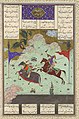 رُهام و بارمان
 -
 لهاک و فرشیدورد
 -
 اسارت افراسیاب نزد کیخسرو
 -
 نبرد کیخسرو و افراسیاب
 -
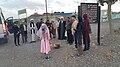 چشم انداز دژ زیبد


-Painting_;_(H._23_x_W._17.3_cm).jpg)
.jpg)
-Painting_(19.5_cm)_(17.2_cm).jpg)
-Painting_(H._17.2_x_W._17.5_cm).jpg)
-Painting_;_(H._30.8_x_W._18.4_cm).jpg)

جستارهای وابسته
یادداشتها
- ↑ چرایی اختلاف تاریخهای یادشده با گاهشماریهای امروزی، تغییر گاهشماریهای گوناگون رسمی در دنیاست. چنانکه گاهشماری میلادی کنونی یا همان گریگوری، از سال ۱۵۸۲ م پذیرفته شد. برای آگاهی بیشتر در اینباره به کتاب تقویم تطبیقی: حیات نبوی نوشتهٔ ایرج ملکپور بنگرید.
- ↑ بود بیت شش بار بیور هزار/ سخنهای شایسته و غمگسار
پانویس
- ↑ خالقی مطلق، «شاهنامهٔ فردوسی»، دانشنامهٔ زبان و ادب فارسی، ۱۳۳–۱۳۴.
- ↑ راوندی، تاریخ اجتماعی ایران، ۱۳۱–۱۳۳.
- ↑ Blois, “EPICS”, Iranica.
- ↑ فرای، «سامانیان»، تاریخ ایران، ۱۳۴–۱۳۵.
- ↑ خالقی مطلق، «شاهنامهٔ فردوسی»، دانشنامهٔ زبان و ادب فارسی، ۱۳۴.
- ↑ Khaleghi-Motlagh, “FERDOWSI i. Life”, Iranica.
- ↑ خالقی مطلق، «فردوسی»، دانشنامهٔ زبان، ۸۱۷–۸۱۸.
- ↑ Khaleghi-Motlagh, “FERDOWSI i. Life”, Iranica.
- ↑ خالقی مطلق، «فردوسی»، دانشنامهٔ زبان، ۸۱۹.
- ↑ فردوسی، شاهنامه، ۸: ۴۸۷–۴۸۸.
- ↑ انجوی شیرازی، فردوسینامه، ۳۲.
- ↑ فردوسی، شاهنامه، ۲۵۹.
- ↑ بنداری، الشاهنامه، ۲۷۶.
- ↑ ریاحی، سرچشمههای فردوسیشناسی، ۱۹۶.
- ↑ علوی توسی، معجم شاهنامه، ۲.
- ↑ فردوسی، شاهنامه، ۱۰.
- ↑ آیدنلو، «کدام فردوسی و شاهنامه»، پژوهشهای زبان و ادب فارسی.
- ↑ مستوفی، ظفرنامه، شانزده.
- ↑ فردوسی، شاهنامه، ۹۳.
- ↑ مینیاتورهای گرانبهای شاهنامه در برلین، علی امینی نجفی منتشر شده در بیبیسی فارسی
- ↑ صفا، حماسهسرایی در ایران، ۲۰۴.
- ↑ صفا، حماسهسرایی در ایران، ۲۰۵.
- ↑ صفا، حماسهسرایی در ایران، ۲۰۶.
- ↑ جنیدی، نامهٔ پهلوانی، ۱۷۲.
- ↑ نولدکه، حماسهٔ ملی ایران، ۱۲۴–۱۲۸.
- ↑ صفا، حماسهسرایی در ایران، ۲۰۶–۲۱۴.
- ↑ خالقی مطلق، «شاهنامهٔ فردوسی»، دانشنامهٔ زبان و ادب فارسی، ۱۳۴–۱۳۵.
- ↑ خالقی مطلق، «شاهنامهٔ فردوسی»، دانشنامهٔ زبان و ادب فارسی، ۱۳۵–۱۳۶.
- ↑ صفا، حماسهسرایی در ایران، ۳۹۶–۴۰۱.
- ↑ صفا، حماسهسرایی در ایران، ۴۱۱–۴۱۲.
- ↑ صفا، حماسهسرایی در ایران، ۴۱۸.
- ↑ صفا، حماسهسرایی در ایران، ۴۲۴–۴۲۵.
- ↑ صفا، حماسهسرایی در ایران، ۴۵۱–۴۵۲.
- ↑ صفا، حماسهسرایی در ایران، ۴۶۲.
- ↑ صفا، حماسهسرایی در ایران، ۴۷۴–۴۷۵.
- ↑ صفا، حماسهسرایی در ایران، ۵۵۴–۵۵۵.
- ↑ صفا، حماسهسرایی در ایران، ۴۷۸.
- ↑ صفا، حماسهسرایی در ایران، ۴۸۰.
- ↑ صفا، حماسهسرایی در ایران، ۴۸۲.
- ↑ صفا، حماسهسرایی در ایران، ۴۹۵–۴۹۶.
- ↑ صفا، حماسهسرایی در ایران، ۵۰۰–۵۰۱.
- ↑ صفا، حماسهسرایی در ایران، ۵۱۱.
- ↑ صفا، حماسهسرایی در ایران، ۵۱۵–۵۱۶.
- ↑ صفا، حماسهسرایی در ایران، ۵۲۴–۵۲۵.
- ↑ صفا، حماسهسرایی در ایران، ۵۲۸.
- ↑ صفا، حماسهسرایی در ایران، ۴۸۴–۴۸۵.
- ↑ دریایی، تاریخ ملی یا تاریخ کیانی، 66.
- ↑ تاریخ پیامبران و شاهان نوشتهٔ حمزهٔ اصفهانی؛ فصل چهارم، ذکر اخبار پادشاهان ایران، کیاردشیر
- ↑ باستانی پاریزی، کورش در روایات ایرانی، 180-179.
- ↑ صفا، حماسهسرایی در ایران، ۵۳۸–۵۴۲.
- ↑ صفا، حماسهسرایی در ایران، ۵۴۴–۵۴۷.
- ↑ صفا، حماسهسرایی در ایران، ۵۴۹.
- ↑ ایمانپور، محمدتقی (اردیبهشت ۱۳۹۰). «تبار ساسانیان در شاهنامهٔ فردوسی». همایش آغاز هزارهٔ دوم فردوسی.
- ↑ فردوسی، شاهنامه، ۴۱۳–۴۲۱.
- ↑ «سخن سردبیر: فردوسی، احیاگر زبان فارسی». کتاب ماه ادبیات (۶۱). اردیبهشت ۱۳۹۱.
- ↑ صفا، حماسهسرایی در ایران، ۲۲۷.
- ↑ صفا، حماسهسرایی در ایران، ۲۲۸.
- ↑ صفا، حماسهسرایی در ایران، ۲۲۵.
- ↑ صفا، حماسهسرایی در ایران، ۲۲۶.
- ↑ اسلامی ندوشن، «ارزشهای حماسی در شاهنامه/ مقایسهای بین شاهنامهٔ فردوسی و ایلیاد هومر، تأثیر شاهنامه در فرهنگ و تمدن ایران»، هنر و مردم.
- ↑ سادات ناصری، «فردوسی و شاهنامه»، هنر و مردم.
- ↑ آیدنلو، «چند واژهٔ نادر و نویافته در منظومهٔ پهلوانی زرَینقبانامه»، متنشناسی ادب فارسی.
- ↑ خالقی مطلق، سخنهای دیرینه، ۳۳۶.
- ↑ خالقی مطلق، سخنهای دیرینه، ۳۴۸.
- ↑ خالقی مطلق، «شاهنامهٔ فردوسی»، دانشنامهٔ زبان و ادب فارسی، ۱۶۲.
- ↑ علیزاده و آیدنلو، «بازشناسی مضمون حماسی-اساطیری «رویارویی پدر و پسر» در روایتی از تذکرةالاولیاء»، پژوهشهای ادبی.
- ↑ ریاحی، سرچشمههای فردوسیشناسی، ۲۱۱.
- ↑ خالقی مطلق، «شاهنامهٔ فردوسی»، دانشنامهٔ زبان و ادب فارسی، ۱۶۳.
- ↑ خالقی مطلق، «حافظ و حماسهٔ ملی ایران»، ایراننامه.
- ↑ آیدنلو، ««شاهنامه» ایترین شعر غنایی»، پیک نور.
- ↑ خالقی مطلق، «شاهنامهٔ فردوسی»، دانشنامهٔ زبان و ادب فارسی، ۱۶۳.
- ↑ سادات ناصری، «فردوسی و شاهنامه»، هنر و مردم.
- ↑ خالقی مطلق، «ادای دین به فردوسی و شاهنامه (متن سخنرانی دکتر جلال خالقی مطلق در جشن رونمایی شاهنامهٔ فردوسی)»، بخارا.
- ↑ ریاحی، سرچشمههای فردوسیشناسی، ۱۸۱.
- ↑ دبیرسیاقی، زندگینامهٔ فردوسی و سرگذشت شاهنامه، ۲۱۶.
- ↑ خالقی مطلق، «شاهنامهٔ فردوسی»، دانشنامهٔ زبان و ادب فارسی، ۱۶۴.
- ↑ خالقی مطلق، «شاهنامهٔ فردوسی»، دانشنامهٔ زبان و ادب فارسی، ۱۶۴.
- ↑ دبیرسیاقی، زندگینامهٔ فردوسی و سرگذشت شاهنامه، ۲۱۸–۲۱۹.
- ↑ دبیرسیاقی، زندگینامهٔ فردوسی و سرگذشت شاهنامه، ۲۱۹.
- ↑ دبیرسیاقی، زندگینامهٔ فردوسی و سرگذشت شاهنامه، ۲۲۰.
- ↑ ریاحی، سرچشمههای فردوسیشناسی، ۲۳۸.
- ↑ ریاحی، سرچشمههای فردوسیشناسی، ۲۵۱–۲۵۲.
- ↑ ریاحی، سرچشمههای فردوسیشناسی، ۲۵۴.
- ↑ دبیرسیاقی، زندگینامهٔ فردوسی و سرگذشت شاهنامه، ۲۳۱–۲۳۲.
- ↑ ریاحی، سرچشمههای فردوسیشناسی، ۲۸۹.
- ↑ ریاحی، سرچشمههای فردوسیشناسی، ۲۹۱.
- ↑ دبیرسیاقی، زندگینامهٔ فردوسی و سرگذشت شاهنامه، ۲۵۰–۲۵۱.
- ↑ دبیرسیاقی، زندگینامهٔ فردوسی و سرگذشت شاهنامه، ۲۵۱.
- ↑ ریاحی، سرچشمههای فردوسیشناسی، ۳۶۱.
- ↑ ریاحی، سرچشمههای فردوسیشناسی، ۳۸۱.
- ↑ خالقی مطلق، «شاهنامهٔ فردوسی»، دانشنامهٔ زبان و ادب فارسی، ۱۶۴.
- ↑ واعظزاده و یاحقی، «بررسی تأثیر شاهنامه در امثال فارسی بر پایهٔ امثال و حکم دهخدا»، جستارهای ادبی.
- ↑ مختاری، شهبازی و نصیری، «شاهنامه در جهان عرب»، پژوهش زبان و ادبیات فارسی.
- ↑ مختاری، شهبازی و نصیری، «شاهنامه در جهان عرب»، پژوهش زبان و ادبیات فارسی.
- ↑ پالهنگ، «تأثیر شاهنامه در ادبیات فرانسه»، فردوسی.
- ↑ افشار، کتابشناسی فردوسی و شاهنامه، ۳۲۹.
- ↑ پالهنگ، «تأثیر شاهنامه در ادبیات فرانسه»، فردوسی.
- ↑ تمیمداری، «تأثیر شاهنامهٔ فردوسی»، متن پژوهی ادبی.
- ↑ افشار، کتابشناسی فردوسی و شاهنامه، ۳۲۸–۳۲۹.
- ↑ تمیمداری، «تأثیر شاهنامهٔ فردوسی»، متن پژوهی ادبی.
- ↑ تمیمداری، «تأثیر شاهنامهٔ فردوسی بر آثار حماسی غرب»، متن پژوهی ادبی.
- ↑ افشار، کتابشناسی فردوسی و شاهنامه، ۲۱۵–۲۱۶.
- ↑ صفا، حماسهسرایی در ایران، ۲۱۸.
- ↑ افشار، کتابشناسی فردوسی و شاهنامه، ۳۲۹–۳۳۰.
- ↑ صفا، حماسهسرایی در ایران، ۲۲۶.
- ↑ آذر و برزگر، «تأثیر شاهنامهٔ فردوسی در آلمان»، مطالعات ادبیات تطبیقی.
- ↑ خالقی مطلق، گلرنجهای کهن، ۳۲۷.
- ↑ باغداساریان، شاهنامه و ارمنیان، ۹–۱۲.
- ↑ رادفر، «پژوهشها و ترجمههای مربوط به فردوسی و شاهنامه در اتحاد جماهیر شوروی (سابق)»، فرهنگ.
- ↑ رادفر، «پژوهشها و ترجمههای مربوط به فردوسی و شاهنامه در اتحاد جماهیر شوروی (سابق)»، فرهنگ.
- ↑ شفا، جهان ایرانشناسی، ۷۰۵–۷۰۶.
- ↑ افشار، کتابشناسی فردوسی و شاهنامه، ۲۲۵.
- ↑ شفا، جهان ایرانشناسی، ۸۳۹–۸۴۰.
- ↑ شفا، جهان ایرانشناسی، ۱۳۸۷.
- ↑ رادفر، «پژوهشها و ترجمههای مربوط به فردوسی و شاهنامه در اتحاد جماهیر شوروی (سابق)»، فرهنگ.
- ↑ شفا، جهان ایرانشناسی، ۱۲۳۷–۱۲۳۸.
- ↑ شفا، جهان ایرانشناسی، ۱۴۰۰.
- ↑ افشار، کتابشناسی فردوسی و شاهنامه، ۲۳۲.
- ↑ صفا، حماسهسرایی در ایران، ۲۲۰–۲۲۱.
- ↑ رادفر، «پژوهشها و ترجمههای مربوط به فردوسی و شاهنامه در اتحاد جماهیر شوروی (سابق)»، فرهنگ.
- ↑ ۱۲۱٫۰ ۱۲۱٫۱ «ŠĀH-NĀMA TRANSLATIONS xiv. INTO RUSSIAN». ایرانیکا. ۲۴ مرداد ۱۳۸۵. دریافتشده در ۱۷ آذر ۱۳۹۵.
- ↑ رادفر، «پژوهشها و ترجمههای مربوط به فردوسی و شاهنامه در اتحاد جماهیر شوروی (سابق)»، فرهنگ.
- ↑ افشار، کتابشناسی فردوسی و شاهنامه، ۲۳۳.
- ↑ افشار، کتابشناسی فردوسی و شاهنامه، ۲۴۸.
- ↑ «ŠĀH-NĀMA TRANSLATIONS ii. INTO GEORGIAN». ایرانیکا. ۲۵ خرداد ۱۳۸۴. دریافتشده در ۱۷ آذر ۱۳۹۵.
- ↑ افشار، کتابشناسی فردوسی و شاهنامه، ۲۲۸.
- ↑ افشار، کتابشناسی فردوسی و شاهنامه، ۳۵–۳۱۸.
- ↑ افشار، کتابشناسی فردوسی و شاهنامه، ۲۵۵–۲۷۴.
- ↑ خالقی مطلق، «شاهنامهٔ فردوسی»، دانشنامهٔ زبان و ادب فارسی، ۱۶۷.
- ↑ خالقی مطلق، «شاهنامهٔ فردوسی»، دانشنامهٔ زبان و ادب فارسی، ۱۶۷.
- ↑ جوینی، شاهنامه از دستنویس موزهٔ فلورانس، یازده.
- ↑ جوینی، شاهنامه از دستنویس موزهٔ فلورانس، پانزده.
- ↑ جوینی، شاهنامه از دستنویس موزهٔ فلورانس، یازده.
- ↑ شاهنامه فردوسی همراه با خمسه نظامی، مرکز دایرةالمعارف بزرگ اسلامی، چاپ عکسی از روی نسخه متعلق به دایرةالمعارف بزرگ اسلامی، با مقدمه دکتر فتحالله مجتبایی، ۱۳۷۹
- ↑ شاهنامه فردوسی همراه با خمسه نظامی، مرکز دایرةالمعارف بزرگ اسلامی، چاپ عکسی از روی نسخه متعلق به دایرةالمعارف بزرگ اسلامی، با مقدمه دکتر فتحالله مجتبایی، ۱۳۷۹
- ↑ https://www.cgie.org.ir/fa/news/264867/نسخه-نویافته-یکی-از-کهنترین-شاهنامهها-در-کتابخانه-ملی-است
- ↑ https://civilica.com/doc/852340/
- ↑ https://www.ettelaat.com/mobile/archives/229944?device=phone
- ↑ جوینی، شاهنامه از دستنویس موزهٔ فلورانس، شانزده.
- ↑ جوینی، شاهنامه از دستنویس موزهٔ فلورانس، شانزده.
- ↑ جوینی، شاهنامه از دستنویس موزهٔ فلورانس، شانزده.
- ↑ شریفزاده، تاریخ نگارگری در ایران، ۷۷.
- ↑ پاکباز، نقاشی ایران، از دیرباز تا امروز، ۶۰.
- ↑ آدامووا، نگارههای شاهنامه، ۵۴.
- ↑ آژند، یعقوب (بهار ۱۳۸۷). «شاهنامهنگاری در مکتب شیراز». فرهنگ مردم (۲۴–۲۵).
- ↑ متقالچی، محمود (۱۳۸۹). «شاهنامه دستنویس ابراهیم سلطان». بخارا (۷۵): ۱۴۷–۱۵۲.
- ↑ پاکباز، دانشنامهٔ هنر، ۳۲۹.
- ↑ متقالچی، محمود (۱۳۹۱). «شاهنامه فردوسی، نسخهٔ دستنویس محمد جوکی». بخارا (۸۸–۸۹): ۱۹۷–۲۰۶.
- ↑ پاکباز، دانشنامهٔ هنر، ۳۲۸–۳۲۹.
- ↑ دانشور، باغی میان دو خیابان: چهار هزار و یک روز از زندگی کامران دیبا در گفتگو با رضا دانشور، ۲۰.
- ↑ «نگهداری دستنویس کممانند از شاهنامه فردوسی در کتابخانه آستان قدس رضوی». خبرگزاری تسنیم. ۲۴ اردیبهشت ۱۳۹۳. دریافتشده در ۱۳ دی ۱۳۹۴.
- ↑ «شاهنامهٔ فردوسی سال گذشته ۱۴۰ بار بازنویسی شد/ خیام سرشناسترین شاعر ایرانی در جهان». پایگاه اینترنتی خبرگزاری جمهوری اسلامی (ایرنا). ۲۷ اردیبهشت ۱۳۹۴. دریافتشده در ۱۲ دی ۱۳۹۴.
- ↑ «چهره به چهره با پسر ۷۸ ساله کارگردان نخستین فیلم ناطق ایران». پایگاه اینترنتی همشهری آنلاین. ۳ خرداد ۱۳۹۲. دریافتشده در ۱۲ دی ۱۳۹۴.
- ↑ «رستم و سهراب». بانک جامع اطلاعات سینمای ایران/ سوره سینما. دریافتشده در ۱۲ دی ۱۳۹۴.
- ↑ «فردوسی و سینما/ تصویر خاموش افسانهها». پایگاه اینترنتی جامجم آنلاین. ۲۴ اردیبهشت ۱۳۸۸. بایگانیشده از اصلی در ۲۳ آوریل ۲۰۱۶. دریافتشده در ۱۲ دی ۱۳۹۴.
- ↑ «سهگانه «افسانه ماردوش» از شبکه پویا بازبخش میشود». دریافتشده در ۱۷ نوامبر ۲۰۱۴.
- ↑ «شاهنامه؛ شکوه شاعرانه شرق/ تجلیل از «فردوسی» در تنهاترین سخنرانی فرهنگی «استالین»!». پایگاه خبری هنری. ۱۱ مرداد ۱۳۹۱. دریافتشده در ۱۲ دی ۱۳۹۴.
- ↑ «Boris Kimyagarov in IMDB». IMDB. دریافتشده در ۱۲ دی ۱۳۹۴.
- ↑ «Rustom Sohrab (1963)». IMDB. دریافتشده در ۱۲ دی ۱۳۹۴.
- ↑ صفا، حماسهسرایی در ایران، ۲۱۵.
- ↑ فروخ، تاریخ الأدب العربی، ۹۲۴.
- ↑ صفا، حماسهسرایی در ایران، ۲۱۶.
- ↑ صفا، حماسهسرایی در ایران، ۲۱۷.
- ↑ صفا، حماسهسرایی در ایران، ۲۱۷.
- ↑ صفا، حماسهسرایی در ایران، ۲۱۸.
- ↑ صفا، حماسهسرایی در ایران، ۲۱۹.
- ↑ صفا، حماسهسرایی در ایران، ۲۲۰.
- ↑ «ترجمه شاهنامه فردوسی به 30 زبان دنیا». جام جم آنلاین. ۲۴ اردیبهشت ۱۳۸۷. بایگانیشده از اصلی در ۱۱ فوریه ۲۰۱۷. دریافتشده در ۲۱ بهمن ۱۳۹۵.
- ↑ صفا، حماسهسرایی در ایران، ۲۲۵.
- ↑ «نخستین برگردان شاهنامه فردوسی به زبان پشتو». پایگاه خبری بیبیسی فارسی. ۱ اردیبهشت ۱۳۹۳. دریافتشده در ۱۲ دی ۱۳۹۴.
- ↑ صفا، حماسهسرایی در ایران، ۲۲۱.
- ↑ عجم، محمد. مشکل نوشتاری در نسخههای کهن فارسی و نداشتن گ چ پ ژ [۱]، مجله دریای پارس.
- ↑ «گفتگو با دکتر جلال خالقی مطلق به مناسبت انتشار پیرایش جدید شاهنامه/ دلایل قلّت اعتبار شاهنامهٔ چاپ مسکو». مرکز پژوهشی میراث مکتوب. ۲۷ بهمن ۱۳۹۳. بایگانیشده از اصلی در ۱۹ ژانویه ۲۰۱۶. دریافتشده در ۱۲ دی ۱۳۹۴.
- ↑ "Reading Ferdowsi فردوسی خوانی | Listen Free on Castbox". castbox.fm (به انگلیسی). Retrieved 2019-10-19.
- ↑ «نخستین برگردان شاهنامه فردوسی به زبان پشتو». پایگاه خبری بیبیسی فارسی. ۱ اردیبهشت ۱۳۹۳. دریافتشده در ۱۲ دی ۱۳۹۴.
- ↑ محقق، هزارهٔ فردوسی: مجموعه مقالات دانشمندان ایران و ایرانشناسان جهانی.
- ↑ جمالزاده، سیدمحمدعلی (مرداد ۱۳۴۵). «کلمات عربی در شاهنامه فردوسی (صورت ۸۶۵ کلمه (لغت) عربی که در شاهنامه آمده است)». وحید (۳۲): ۶۷۵–۶۸۲.
- ↑ «ثبت هزارهٔ پایان سرایش شاهنامه در سازمان یونسکو» (PDF). یونسکو. دریافتشده در ۲۹ شهریور ۱۳۹۴.
- ↑ ۱۷۹٫۰ ۱۷۹٫۱ «بزرگداشت پایان هزاره شاهنامه در برلین». پایگاه خبری بیبیسی فارسی. ۱۹ خرداد ۱۳۸۹. دریافتشده در ۱۲ دی ۱۳۹۴.
- ↑ «اولین آنتالوژی شاهنامه فردوسی امروز رونمایی میشود». جامعه خبری تحلیلی الف. ۲۵ اردیبهشت ۱۳۹۳. دریافتشده در ۱۱ بهمن ۱۳۹۵.
- ↑ «معرفی هستانشناسی شاهنامه». نیمروز. دریافتشده در ۱۱ بهمن ۱۳۹۵.
- ↑ «احمد شاملو - جلسه پرسش و پاسخ با دانشجویان دانشگاه برکلی - ۱۹۹۰». یوتیوب. فروردین ۱۳۶۹. دریافتشده در ۲۵ شهریور ۱۳۹۴.
- ↑ ۱۸۳٫۰ ۱۸۳٫۱ ۱۸۳٫۲ ۱۸۳٫۳ «حقیقت چقدر آسیبپذیر است/ سخنرانی احمد شاملو در دانشگاه برکلی آمریکا». پایگاه اینترنتی فرهنگ ایرانی. فروردین ۱۳۶۹. دریافتشده در ۲۵ شهریور ۱۳۹۴.
- ↑ بیضایی، هزارافسان کجاست؟، ۳۲۱.
- ↑ «انتقاد جلال خالقی مطلق از دیدگاههای شاملو دربارهٔ فردوسی». پایگاه اینترنتی شورای گسترش زبان و ادبیات فارسی. ۲۶ اردیبهشت ۱۳۸۸. دریافتشده در ۲۷ شهریور ۱۳۹۴.
- ↑ «آشفته بازارِ ادبیاتِ فارسی: نگاهی به عقاید احمد شاملو دربارهٔ شاهنامه و شخصیتهای اسطورهای». بایگانیشده از اصلی در ۱۵ اوت ۲۰۱۸. دریافتشده در ۲ ژوئن ۲۰۲۰.
- ↑ «گزارش ایلنا از بازخوانی تصویر ضحاک ماردوش؛ دیوی که واقعاً دیو نبود!». خبرگزاری ایلنا. ۲۵ خرداد ۱۳۸۹. دریافتشده در ۲۷ شهریور ۱۳۹۴.
- ↑ «افتتاح مرکز شاهنامه در دانشگاه کمبریج بریتانیا». پایگاه خبری بیبیسی فارسی. ۱۳ خرداد ۱۳۹۳. دریافتشده در ۱۲ دی ۱۳۹۴.
- ^ مینوی، مجتبی. فردوسی و شعر او، تهران: سلسله انتشارات انجمن آثار ملی (۵۶)، ۱۳۴۶.
- ^ رجایی بخارایی، احمدعلی. برگزیدهٔ شاهنامهٔ فردوسی، به کوشش کتایون مزداپور، تهران: پژوهشگاه علوم انسانی و مطالعات فرهنگی، چاپ سوم ۱۳۸۱، شابک ۹۶۴-۴۲۶-۱۷۷-۱
منابع
کتابها
- امین، سید حسن (۱۳۸۸). فردوسی و شاهنامه. تهران: دائرةالمعارف ایرانشناسی. شابک ۹۷۸۶۰۰۵۲۰۴۱۱۷.
- دانشور، رضا (۲۰۱۰). باغی میان دو خیابان: چهار هزار و یک روز از زندگی کامران دیبا در گفتگو با رضا دانشور. فرانسه: البرز. شابک ۹۷۸-۲-۳۵۹۹۷-۰۰۱-۲.
- شریفزاده، سیدعبدالمجید (۱۳۷۵). تاریخ نگارگری در ایران. تهران: انتشارات حوزهٔ هنری.
- صفا، ذبیحالله (۱۳۶۳). حماسهسرایی در ایران. تهران: امیرکبیر.
- نولدکه، تئودور (۱۳۷۹). حماسهٔ ملی ایران. ترجمهٔ بزرگ علوی. تهران: نگاه. شابک ۹۶۴-۶۷۳۶-۷۹-۳.
- پاکباز، رویین (۱۳۸۶). دانشنامهٔ هنر. تهران: فرهنگ معاصر. شابک ۹۶۴-۵۵۴۵-۴۱-۲.
- ریاحی، محمدامین (۱۳۷۲). سرچشمههای فردوسیشناسی. تهران: پژوهشگاه علوم انسانی و مطالعات فرهنگی. شابک ۹۷۸-۹۶۴-۴۲۶-۲۰۱-۲.
- بنداری، فتح بن علی. عزّام، عبدالوهاب، ویراستار. الشاهنامه. سعاد الصباح.
- فردوسی، ابوالقاسم (۱۳۸۴). افشار، ایرج؛ امیدسالار، محمود، ویراستاران. شاهنامه. تهران: طلایه.
- فردوسی، ابوالقاسم (۱۳۸۶). خالقی مطلق، جلال، ویراستار. شاهنامه. ج. هشتم. نیویورک: بنیاد میراث ایران.
- فردوسی، ابوالقاسم (۱۳۷۹). جیحونی، مصطفی، ویراستار. شاهنامه. ج. صفر. اصفهان: شاهنامهپژوهی.
- جوینی، عزیزالله (۱۳۷۵). شاهنامه از دستنویس موزهٔ فلورانس. تهران: انتشارات دانشگاه تهران.
- مستوفی، حمدالله (۱۳۸۰). مداینی، مهدی، ویراستار. ظفرنامه. تهران: پژوهشگاه علوم انسانی و مطالعات فرهنگی.
- انجوی شیرازی، سیدابوالقاسم (۱۳۶۹). فردوسینامه. ج. ۱. تهران: علمی.
- علوی توسی، محمد بن رضا (۱۳۵۳). خدیو جم، حسین، ویراستار. معجم شاهنامه. بنیاد فرهنگ ایران.
- جنیدی، فریدون (۱۳۶۰). نامهٔ پهلوانی. تهران: بلخ (وابسته به بنیاد نیشابور).
- پاکباز، رویین (۱۳۸۴). نقاشی ایران، از دیرباز تا امروز. تهران: زرین و سیمین. شابک ۹۶۴-۹۲۱۱۳-۳-۰.
- آدامووا، ا.ت.؛ گیوزالیان، ل.ت. (۱۳۸۳). نگارههای شاهنامه. ترجمهٔ زهره فیضی. تهران: فرهنگستان هنر. شابک ۹۶۴-۴۲۲-۶۲۹-۱.
- بیضایی، بهرام (۱۳۹۱). هزارافسان کجاست؟. تهران: انتشارات روشنگران و مطالعات زنان.
- محقق، مهدی (۱۳۸۹). هزارهٔ فردوسی: مجموعه مقالات دانشمندان ایران و ایرانشناسان جهانی. تهران: انجمن ترویج زبان و ادب فارسی.
- فروخ، عمر (۱۹۸۴). تاریخ الأدب العربی. ج. سوم. بیروت: دارالعلم للملایین.
دانشنامهها
- Khaleghi-Motlagh, jalal (1999). "FERDOWSI, ABU'L-QĀSEM i. Life". Encyclopædia Iranica (به انگلیسی). Retrieved 26 January 2012.
نوشتارها
- مهدی، عزیز. «رویینتنی در شاهنامه و مهابهارت»، فصلنامهٔ «نقد و تحقیق»، شاپا: ۲۵۶۳–۲۴۵۴، مدیر و سردبیر: سید نقی عباس (کیفی)، جلد ۱، شماره ۱، صص ۸۷–۸۰، دهلی نو، ۲۰۱۵م.
- مهدی، عزیز. «آزمونِ آتش در رامایَن» و شاهنامه»، فصلنامهٔ «نقد و تحقیق»، شاپا: ۲۵۶۳–۲۴۵۴، مدیر و سردبیر: سید نقی عباس (کیفی)، جلد ۱، شماره ۲، صص ۱۵۸–۱۴۷، دهلی نو، ۲۰۱۵م.
- واحد الزّمان. «حافظ محمود شیرانی: شاهنامهشناس بزرگِ هند»، فصلنامهٔ «نقد و تحقیق»، شاپا: ۲۵۶۳–۲۴۵۴، مدیر و سردبیر: سید نقی عباس (کیفی)، جلد ۱، شماره ۱، صص ۱۰۲–۹۵، دهلی نو، ۲۰۱۵م.
- آیدنلو، سجاد (زمستان ۱۳۸۸). «مردم کدام فردوسی و شاهنامه را میپسندیدند؟ (بررسی تلقیات عامیانه دربارهٔ فردوسی و شاهنامه)» (PDF). پژوهشهای زبان و ادب فارسی دانشکده ادبیات و علوم انسانی دانشگاه اصفهان. اصفهان (۴): ۵۹–۷۸.
- شاپور شهبازی، علیرضا (فروردین ۱۳۸۵). ترجمهٔ بقایی، مرجان. «هدف فردوسی» (PDF). حافظ. تهران (۲۷): ۳۴–۳۷.
پیوند به بیرون
 در میان تصاویر و رسانهها از ویکیانبار
 در میان متون از ویکینبشته


شخصیتهای شاهنامه | |||||||||||||||||
|---|---|---|---|---|---|---|---|---|---|---|---|---|---|---|---|---|---|
| شاهنشاهان |
| ||||||||||||||||
| پهلوانان |
| ||||||||||||||||
| وزیران | |||||||||||||||||
| زنان | |||||||||||||||||
| دیگران | |||||||||||||||||
| آثار و کتابها |
نسخههای دستنویس: (شاهنامه ابومنصوری • شاهنامه طهماسبی • شاهنامه داوری • شاهنامه رشیدا • شاهنامه دموت • شاهنامه لندن • شاهنامه فلورانس • شاهنامه قرچغای خان • شاهنامه بایسنقری • شاهنامه قوامالدین حسن وزیر) |   _-_Walters_W60276B_(cropped).jpg)  | |||
|---|---|---|---|---|---|
| زادگاه | |||||
| فردوسیشناسی | |||||
| فردوسیپژوهان |
| ||||
| معاصران فردوسی | |||||
| آثار هنری |
| ||||
| مطالب مرتبط | |||||


- شاهنامه
- اشعار سده ۱۱ (میلادی)
- ایران در سده ۱۰ (میلادی)
- ایران در سده ۱۱ (میلادی)
- حافظه جهانی یونسکو در ایران
- حماسههای فارسی
- دودمان سامانیان
- زنا با محارم در ادبیات داستانی
- غزنویان
- فرزندکشی در ادبیات داستانی
- فرزندکشیها در ایران
- کتابهای زبان فارسی سده ۱۱ (میلادی)
- کتابهای سده ۱۰ (میلادی)
- کتابهای سده ۱۱ (میلادی)
- کتابهای فارسی سده ۵ (قمری)
- مثنوی
- نمادهای ملی ایران